
Doubling Women’s Representation in Senior Leadership Through Inclusive Workplace Systems
Start Reading

1. Company at a Glance
In this case study, we explore how Fortude, an IT and technology services company, strengthened gender equality by embedding inclusion into the employee lifecycle. Through safer reporting channels, fairer people processes, targeted early-career pipelines and support across life stages, the company increased up to 32% female representation while also improving representation in senior leadership and management.
IT & Technology Services
Industry
2012
Founded
Colombo, Sri Lanka
Headquarters
600+
Number of Employees
2. The Challenge
Changing the Systems Behind Gender Imbalance in Tech
Fortude faced a gender representation challenge within its workforce, reflecting a broader issue across the technology sector, where women remain underrepresented in STEM education and employment. In FY2017/18, women represented 22 per cent of Fortude’s workforce, highlighting a clear gap in participation. In response, the company committed to achieving 50:50 gender representation globally by 2027/28, reinforcing its long-term focus on building a more balanced and inclusive workforce.
But the company recognized that the challenge was not only about increasing representation. It also involved addressing structural and cultural barriers that could affect women’s participation, retention and progression, including psychological safety, potential bias in career development, awareness of inclusive behaviours and support across different life stages.

3. The Action
Building gender equality into systems, pipelines and culture
START WITH EMPLOYEE INPUT AND AWARENESS
Fortude began by listening to employees and reviewing its internal workforce context. In 2018, the company conducted an organization-wide survey to understand employee perceptions of diversity, equity and inclusion (DEI), and to assess the relevance of DEI within the workplace.
The findings indicated a clear need for focused efforts in this area. Fortude identified a set of structural and cultural barriers affecting women’s participation, retention and progression. These included low female representation, limited psychological safety in raising workplace concerns, potential bias in access to opportunities and career progression, gaps in awareness of inclusive behaviours, and insufficient support across life stages and caregiving responsibilities.
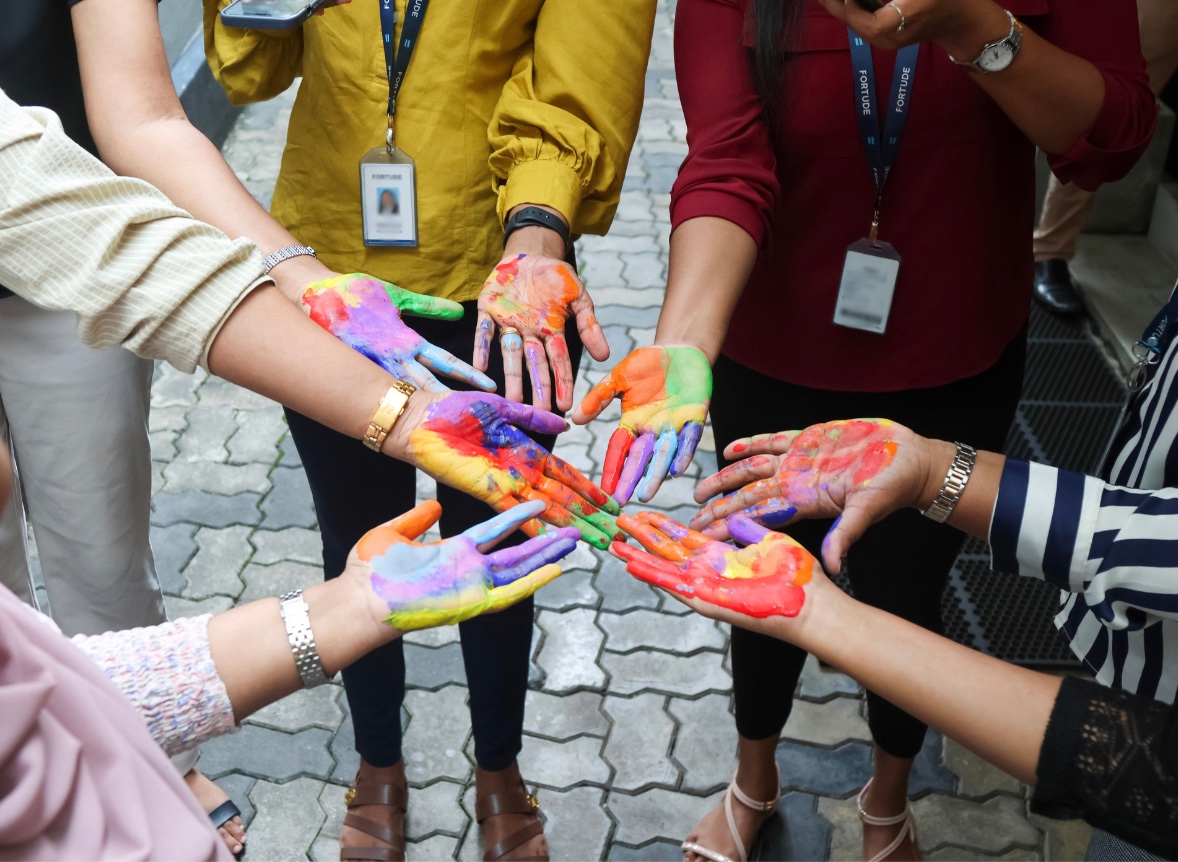
The findings helped shape the company’s first actions, including the “I Am Diversity” campaign and the Fortude Diversity Pledge, which promoted inclusion across multiple and intersecting dimensions of identity. These early steps created a common starting point and helped position DEI as a shared responsibility across the organization.
MAKE DEI TRAINING PART OF THE EMPLOYEE JOURNEY
To move beyond one-off awareness activities, Fortude introduced “Better Together” DEI sensitization sessions focused on inclusion, unconscious bias and respectful workplace behaviours, with a particular emphasis on addressing gender bias and promoting inclusive practices in the workplace. The sessions covered topics such as understanding diversity, unpacking gender bias in the workplace, inclusive language, gender equality at work and the use of inclusive pronouns.
To ensure that this learning became part of the employee journey, Fortude then embedded foundational DEI concepts into a mandatory e-learning module for all new joiners. This ensures that key DEI principles are consistently introduced from the start, while completion of the module is tracked and monitored across the organization to support consistent awareness across the workforce.
CREATE FORMAL POLICIES AND SAFE REPORTING CHANNELS
Fortude strengthened its governance framework by introducing policies and mechanisms to protect employees and clarify expected behaviours. This included the Discrimination, Bullying and Harassment Prevention Policy in 2021, Prevention of Sexual Harassment (POSH) Policy for India employees in 2025, and the Safe to Speak Up Policy in 2023, supported by an anonymous third-party reporting mechanism.
These policies are formally communicated and accessible to all employees through ‘Our Code’, Fortude’s Code of Conduct, employee handbook, and internal platforms providing clear guidance on expected behaviours and avenues for reporting concerns. They specifically reinforce protections against gender- based discrimination, harassment, and unfair treatment, while promoting a safe and respectful workplace environment.
Employees are also required to review and acknowledge the employee handbook on a regular basis (annually), reinforcing awareness and adherence to these standards across the organization.
EMBED FAIRNESS INTO HIRING, PROMOTION AND DEVELOPMENT
The company formalized its commitment to equal opportunity through its Equal Employment Opportunity statement in 2021, which reinforces Fortude‘s commitment to fair, inclusive, and non-discriminatory employment practices. The statement affirms that “Everyone can grow at Fortude, regardless of their identity”, reflecting the organisation’s focus on equitable access to opportunities and a strong sense of belonging.
This commitment is embedded across key practical people processes, including gender-neutral job descriptions,inclusive hiring approaches, merit-based promotion practices, fair evaluation processes and equal access to learning and development opportunities, and is consistently communicated through all its career advertisements. Salary benchmarking through external surveys in Sri Lanka was also introduced to support compensation alignment with market standards, ensuring that decisions are guided by role, performance, and market positioning.
BUILD TARGETED PIPELINES FOR WOMEN ENTERING TECHNOLOGY
To address representation at the transition from education to employment, Fortude launched the Ignite WomenTech Internship Program in 2024. The two-week program helps women move from education into technology careers. The initiative provides participants with early exposure to the technology sector, foundational learning, mentoring and practical guidance on career pathways, strengthening the pipeline of women prepared to enter technical roles.
Fortude also used its CREATE Graduate Trainee program as a formal early-career pipeline for consulting roles, maintaining at least 50 per cent female representation in each intake and tracking participation across cohorts.
BUILD INCLUSIVE BEHAVIOURS THROUGH PRACTICAL CULTURE WORK
Fortude complemented policy changes with ongoing capability-building. The company delivered sessions on unconscious bias, inclusive language, workplace behaviours and cultural awareness, working with external partners such as IFC, UNFPA, Diversity Collective Lanka and the Grassrooted Trust.
These initiatives also included broader awareness sessions on gender-related topics, such as menstrual health and hygiene, cyber exploitation and gender-based violence, and sexual and reproductive health and rights (SRHR) at the workplace and beyond, helping to build a deeper and more inclusive understanding across the workforce.
In 2024, Fortude also introduced the Culture Canvas, co-created with employees to define shared values and behaviours and create a common reference point for inclusive culture.
ADAPT THE WORKPLACE TO SUPPORT DIGNITY AND ACCESSIBILITY
Fortude introduced practical workplace changes in its Sri Lanka office, its only physical office among its global operations. These included gender-neutral bathrooms to support dignity and accessibility, and sanitary napkin dispensers introduced as part of an International Women’s Day initiative to support women’s reproductive health and wellbeing.
SUPPORT EMPLOYEES ACROSS LIFE STAGES
Recognizing that caregiving responsibilities can affect retention and career progression, Fortude introduced support measures across life stages. These included maternity leave aligned with statutory requirements, adoption-related benefits, 15 working days of paternity leave where stronger statutory provisions do not already apply, medical insurance benefits adapted to country-specific contexts, and broader family coverage in Sri Lanka. The company also established an Employee Resource Group for working parents, parenting sessions, wellbeing initiatives, psychological support, bereavement support and financial wellbeing initiatives.
RESOURCE THE WORK AND TRACK PROGRESS
Leadership support helped Fortude move from awareness to sustained implementation. In 2022, the company allocated a dedicated DEI budget and continued to sponsor DEI initiatives.
The company also strengthened its approach through external frameworks and partnerships, including Target Gender Equality Accelerator, the Women’s Empowerment Principles and IFC “Together We Can” programmes. Across its initiatives, the company tracked participation, representation and programme adoption to maintain accountability and guide continuous improvement.
4. Overcoming Barriers
As Fortude progressed with implementation, the organization navigated several practical challenges related to scaling, consistency, and sustaining impact across a globally distributed workforce.
Ensuring consistent understanding and application across teams
Rolling out DEI initiatives across multiple regions and roles required ensuring that inclusive practices were understood and applied consistently. Fortude addressed this by introducing a globally aligned DEI framework, supported by a mandatory onboarding e-learning module and ongoing awareness sessions to reinforce shared understanding.
Addressing retention and progression beyond hiring
Improving gender representation required moving beyond hiring to focus on retention, career progression, and employee experience across the lifecycle. Fortude responded by strengthening equitable career processes, targeted pipeline programs, and structured support mechanisms across life stages.
Translating awareness into sustained behavioural change
While awareness initiatives helped build initial momentum, ensuring that these translated into long-term behavioural change required continuous reinforcement. This was addressed through a combination of structured learning, repeated awareness sessions, and culture initiatives such as the introduction of Culture Canvas.
Adapting to diverse life-stage and caregiving needs
Supporting employees across different life stages require flexible and evolving support systems that could address diverse needs. This is addressed through initiatives such as parental benefits, ERGs, wellbeing programs, and broader employee support mechanisms.
5. Impacts & Results
32% female representation in FY2025/26, up from 22% in FY2017/18.
16% female representation in senior leadership, up from 8% in FY 2017/18.
25% female representation at management level, up from 13% in FY 2017/18.
Operational Excellence:
Great Place to Work Trust Index scores,
—
Fairness regardless of gender
Fairness regardless of sexual orientation
Fairness regardless of race or ethnicity
Physical workplace safety
FY 2024/25 (out of 100)
90
93
90
94
FY2023/24 (out of 100)
91
93
91
95
External recognition and employer positioning
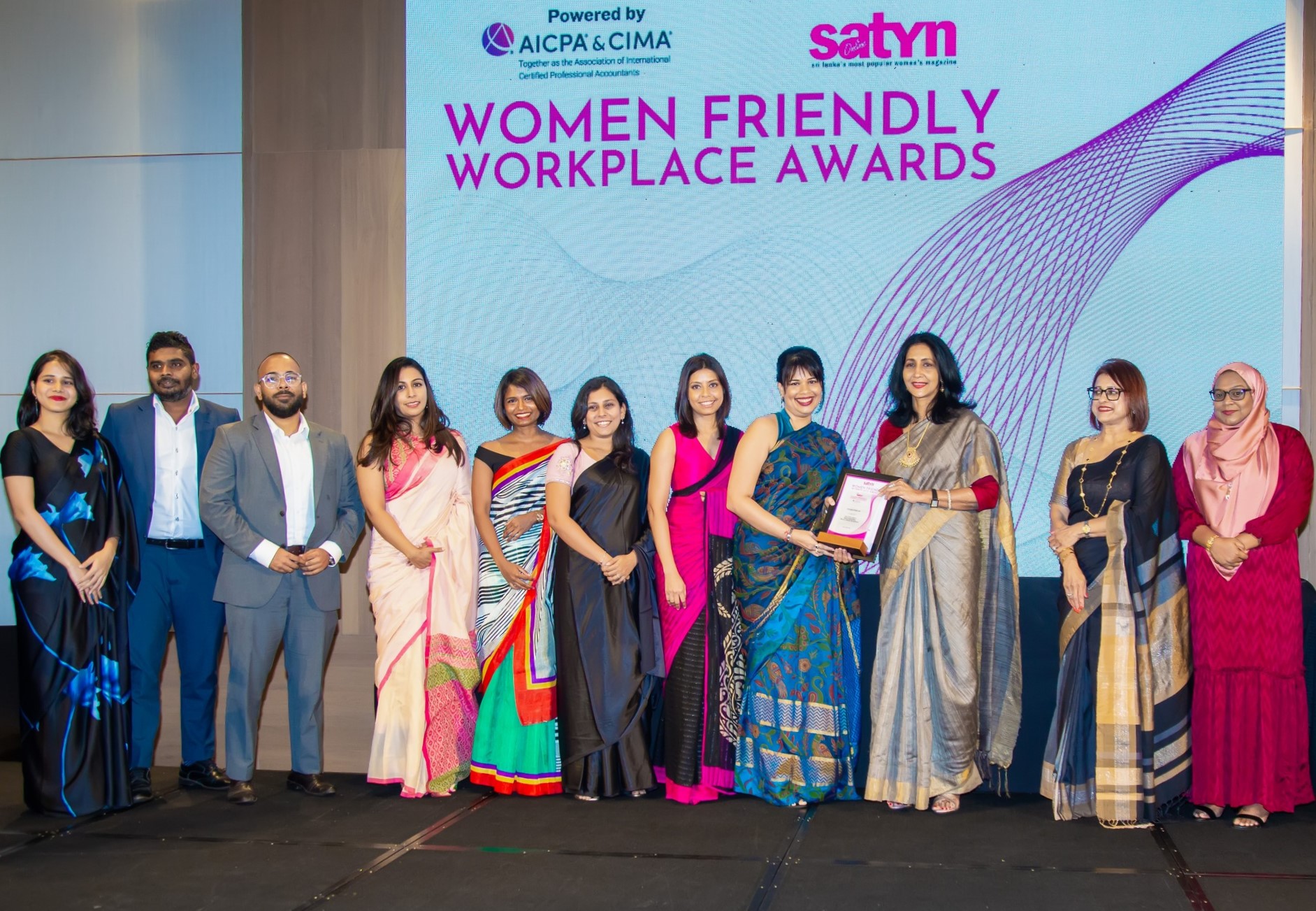
Recognized as a ‘Women-Friendly Workplace’ by AICPA-CIMA and Satyn at the CIMA-Satyn Women-Friendly Workplace Awards (2024), won the Silver Award for ‘DEI Champions’ category at the CIMA JXG Pinnacle Awards (2025), and Glassdoor ratings of 4.6 for Culture & Values and Diversity & Inclusion.
6. Key Lessons Learned
Gender equality requires systems and culture, not representation alone
Improving representation is important, but lasting progress depends on embedding inclusive policies, strengthening governance and continuously building awareness and capability across the organization.
Awareness must be supported by structure
Awareness campaigns and training help build momentum, but impact comes when they are backed by policies, governance mechanisms and accountability processes that can be applied consistently and at scale.
Focus on the full employee lifecycle
Companies should address gender equality at key transition points, from education into employment, from early-career roles into leadership, and across life stages where caregiving responsibilities can affect participation and retention.
Leadership commitment should become shared ownership
Strong leadership commitment helps accelerate progress, but DEI becomes more sustainable when employees are engaged through surveys, learning initiatives and employee-led platforms, making it a shared organizational responsibility rather than only a top-down initiative.

"Gender equality cannot be achieved through representation targets alone. At Fortude, we’ve learned that sustained progress comes from intentionally building the systems, policies and culture that enable our people to participate, grow and feel safe at work – anchored in our core values of Caring & Respect, and in our commitment to creating an environment where people can truly grow with Fortude.”
Anjalie Jasenthuliyana, AVP – Global HR Operations, Talent Development & Culture
7. Company Commitment
Fortude has been a committed participant in several UN Global Compact initiatives since 2024:
8. Recommended Resources
Recommended UN Global Compact Resources



Download Case Study
Disclaimer: This case example is intended strictly for learning purposes and does not constitute an endorsement of the individual companies by the UN Global Compact.