
Pinturas SUMA from social inclusion to market expansion: how built a new customer channel through technical empowerment
Start Reading

1. Company at a Glance
In this case study, we explore how Pinturas Suma used its technical expertise, customer relationships and professional network to create a pathway from training to independent work for women facing socioeconomic barriers. Of the seven women who joined the programme, five completed the training and four went on to establish Nosotras en Obra, an independent painting business that has since provided services to at least 30 clients in Montevideo.
Manufacturing – Paints and Coatings
Industry
2018
Founded
Montevideo, Uruguay
Headquarters
3
Global Workforce
2. The Challenge
Expanding access to income in a male-dominated sector
SUMA is a small Uruguayan manufacturer of paints and coatings whose statutes provide for the reinvestment of a significant share of its revenues in social development and impact initiatives. Within this framework, the company sought to create opportunities for women facing socioeconomic vulnerability to generate income independently, rather than recruit them as SUMA employees.
Many potential participants were working informally without access to employment- related social protection, and some had not completed primary education. Several also faced mobility constraints and caregiving responsibilities. At the same time, women remained significantly underrepresented in painting and construction, sectors traditionally dominated by men. The challenge was therefore not only to provide technical skills, but to create a pathway that could help participants translate those skills into sustainable economic activity. This required practical experience, business and financial capabilities, professional networks and access to real market opportunities.
3. The Action
Building a pathway from training to independent work
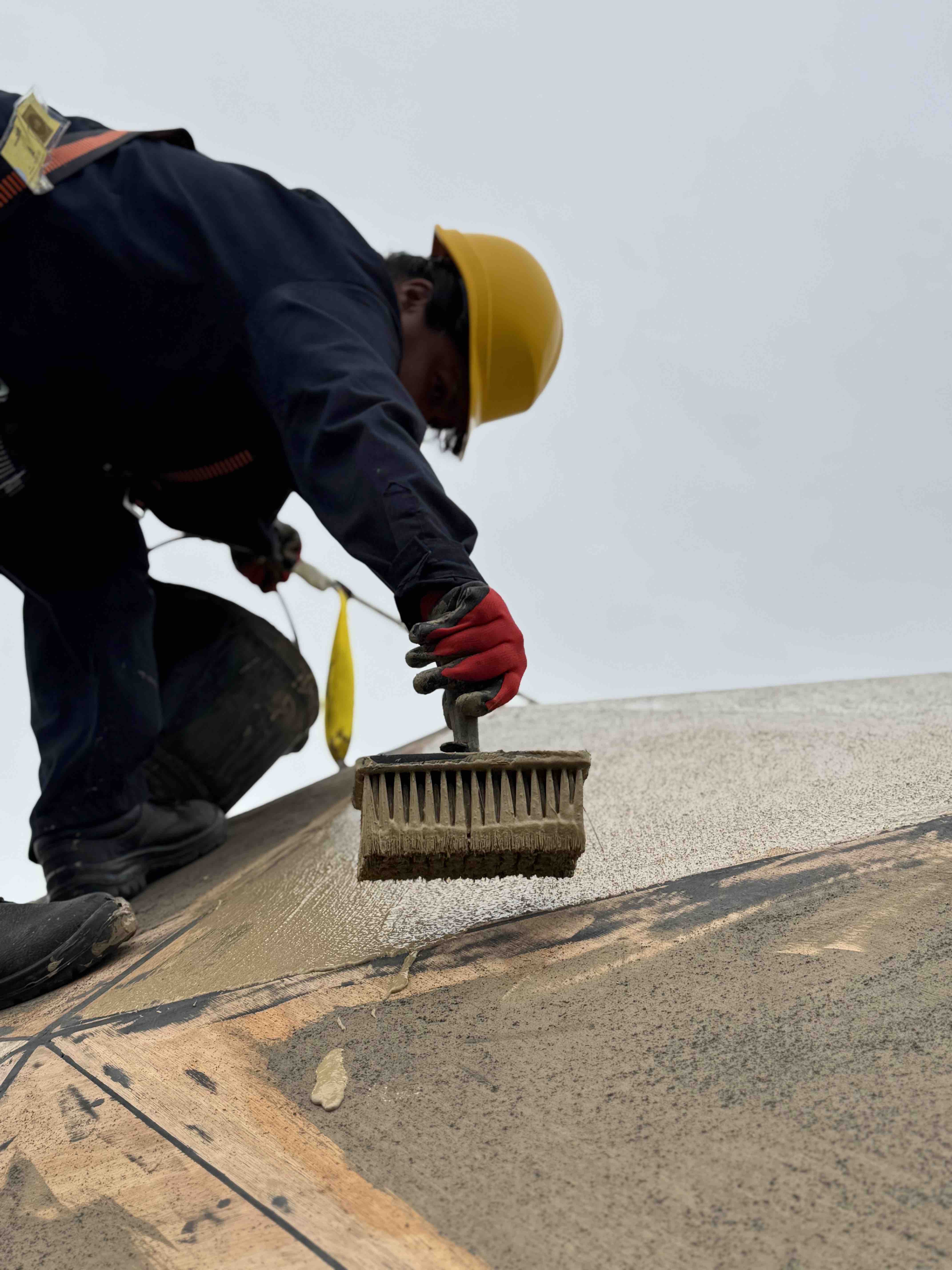
SUMA developed a training and support programme to help women facing socioeconomic vulnerability build the technical, business and professional capabilities needed to generate income independently in the painting and waterproofing sector. The programme combined technical and business training, practical experience, access to professional expertise and market opportunities, and continued support as participants moved towards paid work.
ASSESSING THE SKILLS NEEDED AND PARTNERING WITH A SOCIAL INCLUSION ORGANIZATION
SUMA partnered with El Abrojo, a Uruguayan civil society organization experienced in working with people facing socioeconomic vulnerability. SUMA first presented the programme idea to the organization, which assessed the proposal and identified women in the community who showed interest and potential to participate before introducing them to the company. Before the training began, SUMA’s three team members met with the prospective participants to introduce the company, explain the programme and discuss how they would work together. The involvement of an organization that already knew the women, combined with this initial dialogue, helped establish the trust needed to begin the programme.
SUMA and El Abrojo also identified that technical painting skills alone would not be enough for participants to generate sustainable income. The programme would therefore need to include capabilities such as budgeting, communication, occupational health and safety and basic business management, while taking into account the circumstances that could affect participants’ ability to complete the training and later transition into paid work.
DESIGNING A MULTIDISCIPLINARY TRAINING PROGRAMME
To help participants turn technical skills into sustainable income-generating opportunities, SUMA combined practical instruction in painting and waterproofing with business and professional skills. More than five independent professionals contributed sessions covering financial management and budgeting, social media, occupational health and safety, masonry, construction techniques and architectural considerations for assessing painting projects. The programme was adjusted as participants progressed rather than following a fixed curriculum regardless of learning needs.
SUMA’s three-person team coordinated the programme and maintained a direct presence throughout the process, with at least one of the company’s two partners attending every session.
ADDING PRACTICAL EXPERIENCE IN A PROFESSIONAL ENVIRONMENT
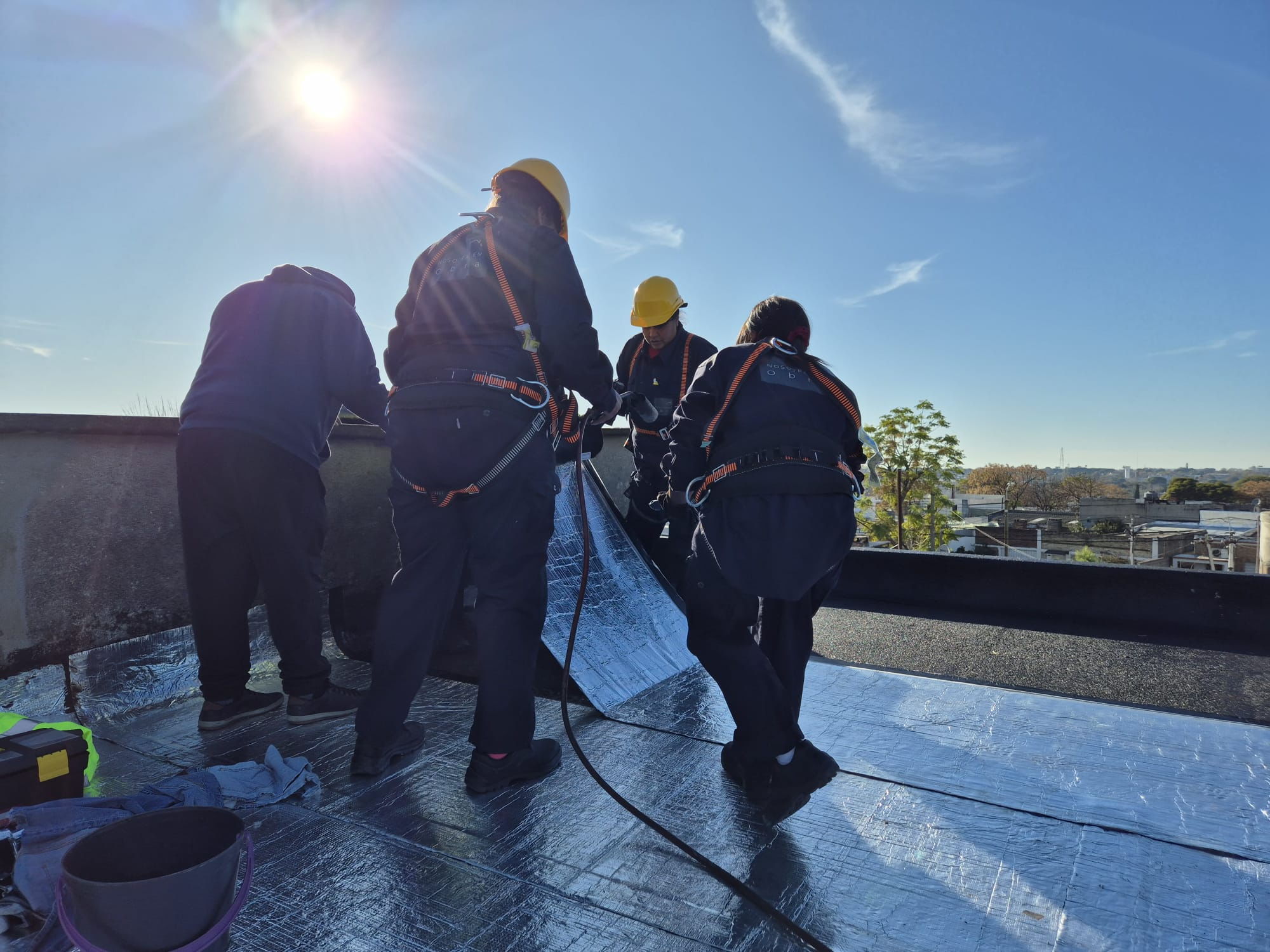
To bridge the gap between classroom learning and real work, SUMA involved Imperplast, one of its main clients. Imperplast made its facilities available for practical sessions and assigned experienced technicians to train participants. This allowed the women to practise in a working environment and become familiar with the technical and safety standards expected in the sector.
SUPPORTING THE TRANSITION FROM TRAINING TO AN INDEPENDENT BUSINESS
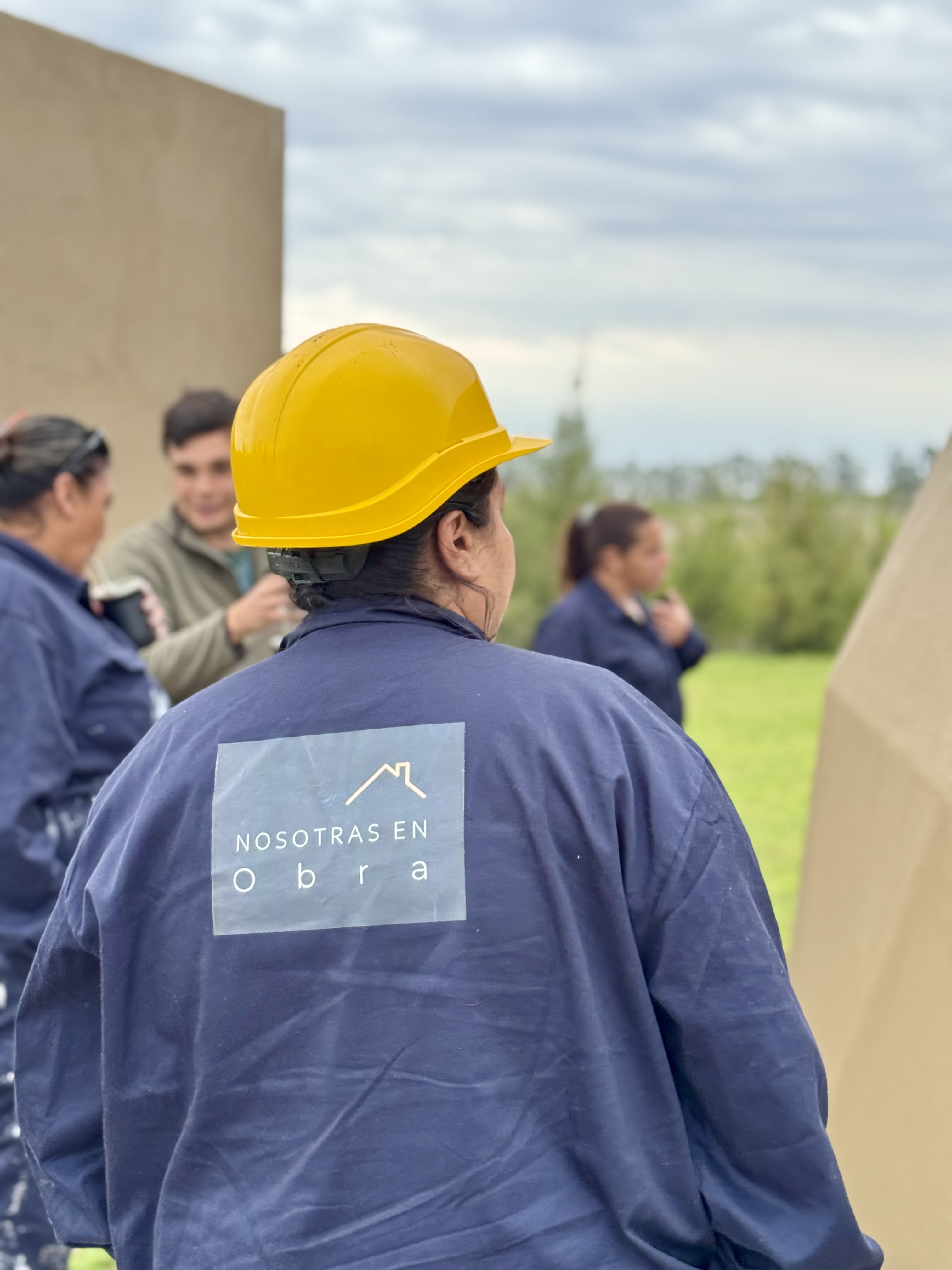
After completing the training, four participants decided to establish Nosotras en Obra (“Women at Work”), an independent women-led painting and waterproofing business that became part of SUMA’s value chain as a service provider that uses and applies SUMA products in client projects. SUMA supported the initial set-up and responsibility was then gradually transferred so the team could manage its own communications independently. SUMA also promoted the new business within its network and connected the women with potential clients to help them move from training into paid projects.
PROVIDING GRADUATED TECHNICAL AND BUSINESS SUPPORT
SUMA continued supporting the women after the formal training ended through a dedicated communication channel for technical, organizational and commercial questions. The company deliberately avoided solving every problem on their behalf; instead, the team used questions and guidance to help the women assess options and make their own decisions. More direct support was provided when the potential consequences were greater, such as preparing quotations for larger projects where technical or financial errors could create significant risk.
When needs arose outside SUMA’s own expertise, the company also mobilized its professional network. Its accountant firm and notary provided advisory hours to help the women understand the legal, accounting and administrative requirements involved in formalizing and managing the business.
FOLLOWING THE BUSINESS AS IT ENTERED THE MARKET SUMA
maintained regular contact with Nosotras en Obra while leaving day-to-day management with the women. As the business began serving clients, SUMA developed a customer satisfaction survey to gather structured information on service quality, customer experience and areas for improvement. The intention was to move the programme’s monitoring beyond participation and training completion and begin assessing the quality and continuity of the work generated.
NEXT STEPS
SUMA plans to launch a new cohort of women and progressively develop the initiative from a one-off experience into a more permanent programme linked both to women’s economic opportunities and to the company’s business model. Future cohorts will incorporate lessons from the first programme, including more practical training in budgeting, site assessment and material calculations, as well as earlier involvement of legal and accounting advisers. SUMA also intends to strengthen measurement from the outset.
4. Overcoming Barriers
Reducing barriers to participationand learning
Participating in the programme involved both logistical and economic barriers. Many of the women relied on informal work for their income and did not have their own transport. SUMA therefore delivered the course at a community centre in their neighbourhood, covered transport when practical sessions took place elsewhere and compensated training hours at a rate equivalent to what participants normally earned in their regular work, reducing the opportunity cost of attending. As the programme progressed, SUMA also shortened sessions, introduced regular breaks and increased practical activities to support concentration and learning.
Addressing gaps in legal and administrative knowledge
When the participants decided to establish an independent business, neither they nor SUMA’s operational team had all the expertise required for formalisation. SUMA brought professional advisers to provide dedicated advisory support rather than attempting to cover these areas internally.
Balancing support with independence
Once Nosotras en Obra began operating, SUMA needed to continue providing guidance without taking over management of the business. The company used a graduated support model, encouraging the women to analyse problems and make their own decisions while stepping in more directly when larger projects involved significant technical or financial risk.
5. Impacts & Results
Four women moved from training into independent economic activity. Seven women enrolled in the programme and five completed it. Four of the graduates went on to establish Nosotras en Obra, an independent women- led painting and waterproofing business in Montevideo.
The initiative translated training into real market activity. Nosotras en Obra has completed painting and waterproofing work for more than 30 clients. While the business does not yet have consolidated revenue data, individual projects have ranged in value from approximately UYU 20,000 (USD 500) to more than UYU 200,000 (USD 5,000), including projects for public-sector organizations.
The initiative generated a direct commercial outcome for SUMA. After its creation, Nosotras en Obra became a SUMA customer and has purchased and used approximately 2,000 litres of SUMA’s IMPRA waterproofing product in client projects.
The new business secured additional resources to strengthen its operations.Nosotras en Obra received UYU 240,000 (approximately USD 6,000) in public funding through two separate awards of UYU 120,000 each. The funding supported the purchase of a small motorized cargo vehicle, tools and equipment, a computer and mobile phones, strengthening the team’s ability to travel to worksites, manage the business and deliver services.
6. Key Lessons Learned
Build flexibility into the programme from the start
Even when the overall direction is clear, participants’ needs may evolve differently than expected. Being willing to adapt the training, mentoring and support along the way was essential to respond to what participants actually needed and is a key recommendation for organizations implementing similar programmes.
Connect inclusion programmes to a real market, not only to training
Building technical capabilities is more likely to lead to lasting economic opportunities when participants can apply those skills in an existing value chain with real customers, products and demand.
Measure success beyond programme completion
Training attendance and graduation are useful outputs, but the more meaningful indicators are what happens afterwards: whether participants remain economically active, secure projects, generate income or create viable businesses.
Use the company’s wider ecosystem as part of the intervention
SMEs do not need to possess every capability internally.

"The real value lies in creating a model where social impact can generate economic opportunities for women while also creating tangible value for the business.”
Rossana Montes de Oca, Co-founder of Pinturas Suma
7. Company Commitment
Pinturas Suma has been a committed participant in the UN Global Compact since 2025
8. Recommended Resources
Recommended UN Global Compact Resources



Download Case Study
Disclaimer: This case example is intended strictly for learning purposes and does not constitute an endorsement of the individual companies by the UN Global Compact.