
Siemens: Engaging 750+ students to tackle real-world energy efficiency challenges
Start Reading

1. Company at a Glance
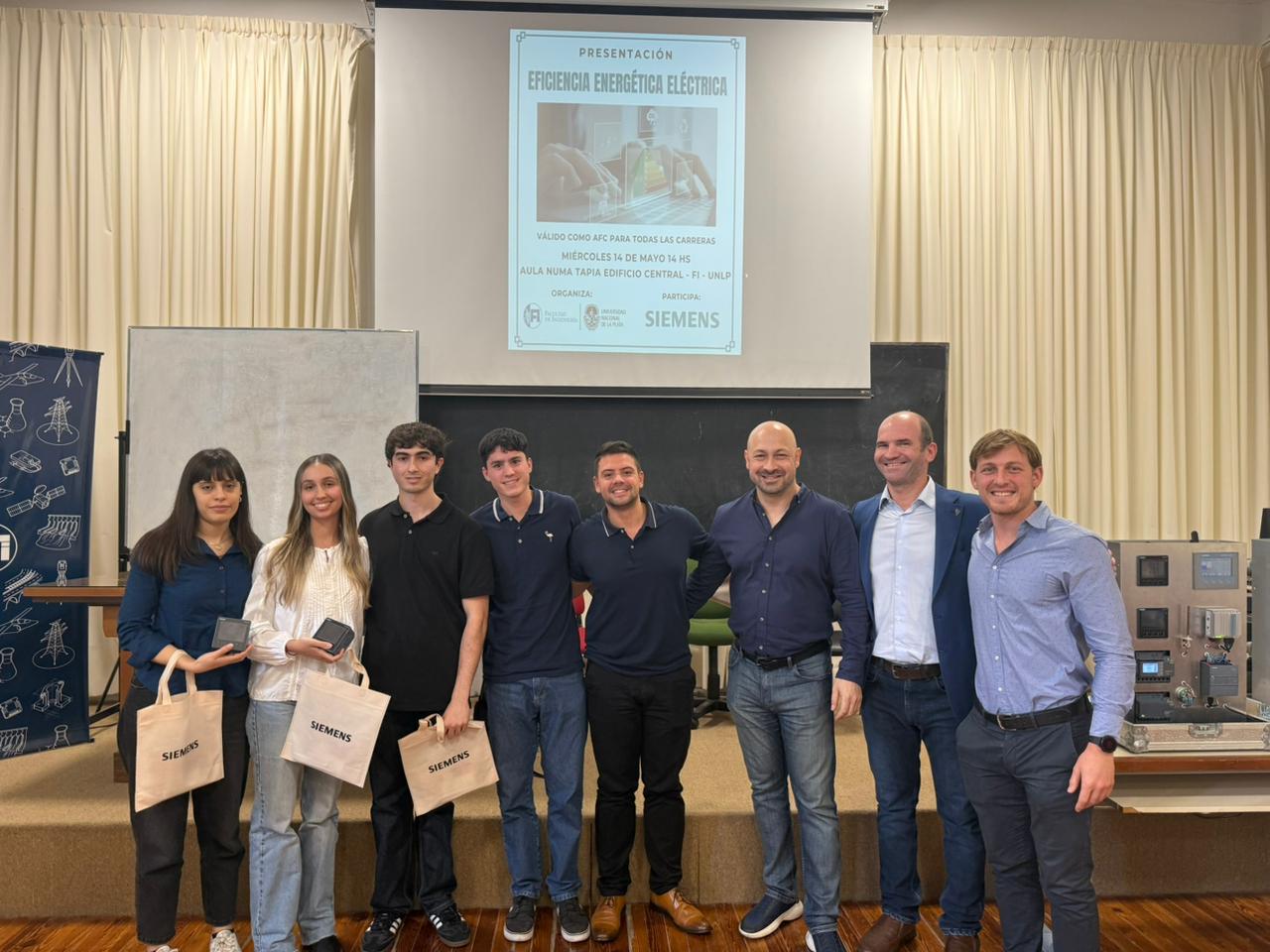
In this case study, we will see how Siemens created a regional programme that enables engineering students to apply their academic knowledge to real energy efficiency challenges in universities and industrial facilities. Over ten editions, the programme has engaged more than 750 students, 200 professors and 230 facilities across South America.
Technology – industry, infrastructure, transport and healthcare
Industry
1847
Founded
Munich and Berlin, Germany
Headquarters
Approximately 318,000
Number of Employees
190+ countries
Global presence
2. The Challenge
Bridging academic learning and real-world energy efficiency
Siemens identified a gap between engineering education and the practical experience needed to address energy efficiency challenges in real settings. Future engineers could acquire strong technical knowledge at university, but had fewer opportunities to apply it to actual energy consumption data, identify efficiency opportunities and develop solutions that considered environmental, economic and technical factors.
For Siemens, this also presented an opportunity to connect universities more closely with industry and expose future professionals to the technologies and approaches increasingly used to manage energy performance. The company therefore set out to create a practical learning model in which students could work on energy challenges in their own universities or industrial facilities, supported by professors, Siemens specialists and energy management tools.
3. The Action
Turning energy efficiency challenges into applied learning
OPENING THE PROGRAMME TO ENGINEERING UNIVERSITIES ACROSS THE REGION
The Regional Energy Efficiency Program runs annually over approximately six months, from launch and training through project development, evaluation and selection of the winners. The programme is currently in its tenth edition and is open to engineering students from public and private universities in different countries in South America: Argentina, Bolivia, Chile, Colombia, Ecuador, Paraguay and Peru.
During the enrolment period, Siemens and Fundación Siemens contact universities through deans and a network of professors already connected with the initiative. Students form teams of two to four from the same university, supported by a professor who acts as tutor. Universities can submit multiple projects, and the same professor can mentor more than one team.
SELECTING A REAL ENERGY EFFICIENCY CHALLENGE
Each team, together with its professor, selects the facility or challenge it wants to analyse. Projects must focus on analysing energy indicators and improving energy efficiency in a real university or industrial setting. Many teams have chosen their own university facilities, allowing students to investigate energy consumption and identify improvement opportunities in an environment they can access directly.
The analysis must consider five equally weighted dimensions: social and environmental impact, economic benefit, technical innovation, degree of implementation, and the clarity and quality of the analysis and presentation.
PROVIDING TECHNOLOGY, TRAINING AND EXPERT SUPPORT
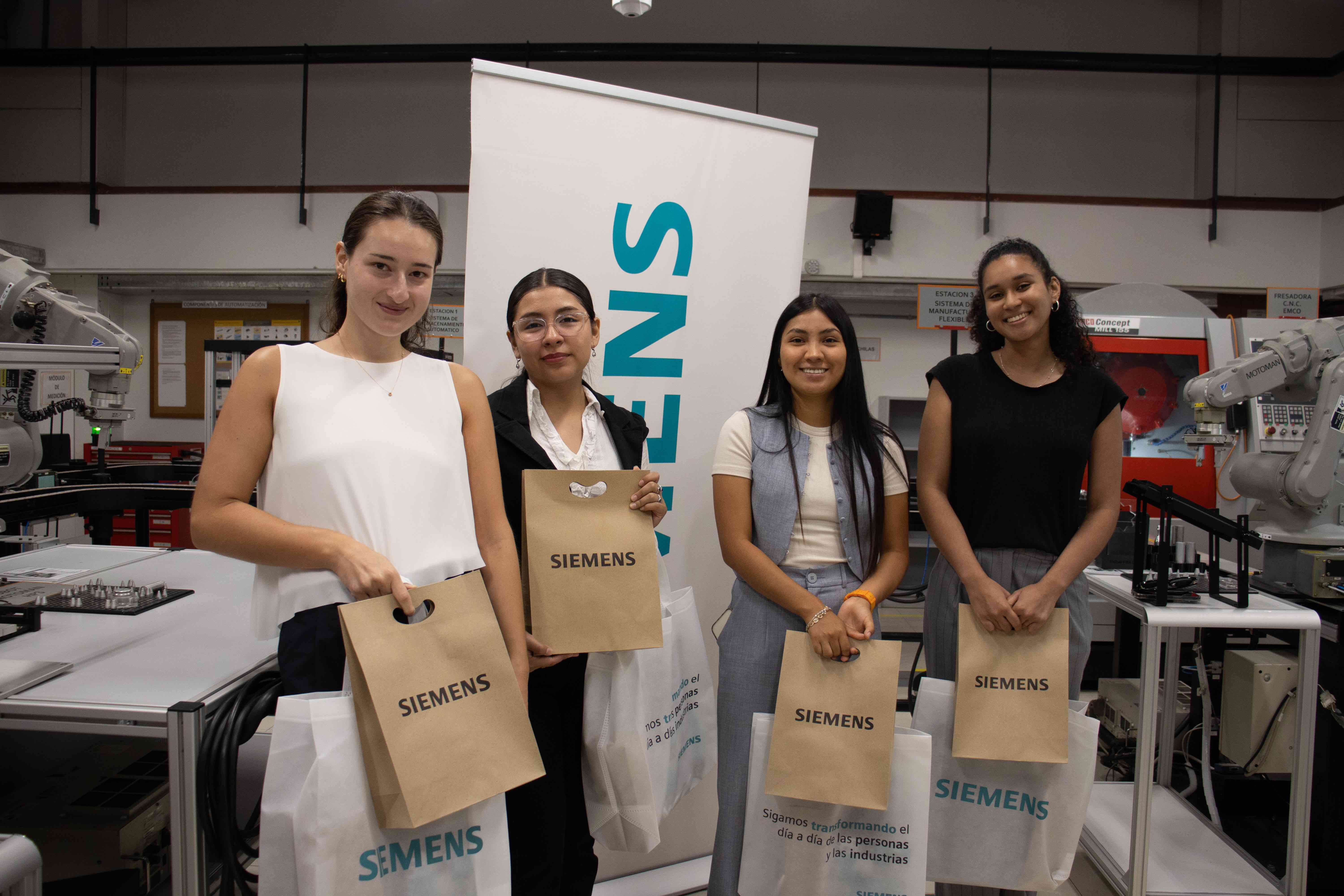
Once registered, participants receive access to SENTRON Power Manager, Siemens’ software for monitoring and managing energy consumption in large infrastructure and industrial facilities. They also follow a training programme covering energy management, technical topics, sustainability and project presentation skills. More than 20 Siemens specialists support the programme through technical training, mentoring and project evaluation. Professors provide the day-to-day academic guidance, helping teams refine their analysis and presentations, while Siemens specialists complement this with technical expertise and support on how to communicate the proposed solution effectively.
DEVELOPING A PRACTICAL ENERGY EFFICIENCY PROPOSAL
Teams investigate the selected facility, identify an energy efficiency problem and develop a proposed solution, including its expected benefits. Their final submission consists of a report supporting analysis files and a presentation in the digital format of their choice.
This structure requires students to move beyond identifying a problem and explain both the proposed technical response and its environmental, social and economic implications.
EVALUATING PROJECTS AND SUPPORTING IMPLEMENTATION
Projects are assessed by an interdisciplinary jury using the programme’s five evaluation criteria. Five finalists are selected to present their proposals in a live virtual session. A regional jury, chaired by Siemens Regional CEO Eduardo Gorchs and including representatives from academia, the public sector and other organizations, then selects the top three projects.
Awards are provided to students, professors and their universities. Implementation ultimately depends on the institution responsible for the selected facility. Siemens provides recommendations to help teams move their proposals forward, while equipment provided as part of the award can support universities seeking to implement energy management improvements.
NEXT STEPS
Siemens plans to expand the Regional Energy Efficiency Program to more universities across South America, strengthen collaboration between academia and industry, and create more opportunities for promising student-led projects to move from proposal to implementation. The company will also increase the programme’s measurable impact by supporting solutions that can contribute to energy efficiency and the region’s energy transition.
4. Overcoming Barriers
Coordinating universities across different countries and academic calendars
Operating a single regional programme across multiple countries created challenges in aligning schedules and maintaining a consistent participant experience. Siemens addressed this by using a standardized programme methodology, virtual collaboration and a common training and mentoring structure across participating universities.
Managing different levels of technical knowledge and project complexity
Teams entered the programme with different technical backgrounds and selected projects with very different scopes. Continuous support from professors and Siemens specialists helped teams adapt the methodology to their specific projects while maintaining common evaluation criteria. Siemens specialists also provided ongoing technical guidance during the six-month programme.
Moving from student proposals to implementation
The programme can develop viable energy efficiency proposals, but Siemens does not control whether the institution ultimately implements them. Implementation remains with the university or industry involved. The company has identified creating more opportunities to implement promising projects as an area for further improvement.
5. Impacts & Results
Regional reach
More than 750 students, 200 professors and 230 facilities have participated in the programme across South America.
19+ projects implemented
At least 19 projects are currently operating independently. Siemens began tracking implementation in recent editions, so this figure does not include projects from the programme’s early years.
Integration into university learning
Professors and universities have incorporated the development and presentation of programme projects into their teaching and assessment processes, using them to evaluate teamwork, identification of improvement opportunities and the integration of technical, environmental and economic aspects into the proposed solutions.
Stronger university-industry collaboration
The programme has created a recurring platform for collaboration between Siemens, universities, professors and engineering students, combining academic guidance with access to industry expertise and technology. On feedback surveys, participants have highlighted the value of applying their knowledge to real energy-efficiency challenges.
Access to future talent and relevant skills
The programme brings Siemens into direct contact with engineering students in disciplines closely related to its business. By exposing participants to energy-management technologies and real industry challenges, Siemens helps develop future professionals with skills relevant to the energy transition and to areas in which the company operates.
Internal engagement
More than 20 Siemens specialists participate through training, mentoring and project evaluation. The programme has therefore also created a cross-functional opportunity for employees to contribute technical expertise to an external sustainability initiative
Stronger positioning in energy efficiency and sustainable transformation
What began as a local initiative in Argentina, has developed into a regional platform through which Siemens can demonstrate energy-management technologies and promote discussions on efficiency and sustainability with universities, industry and public-sector stakeholders.
"The program gave our students the opportunity to apply knowledge to real challenges and generate measurable impact. It has become a valuable bridge between academia, industry, and sustainability.”
Dalma Parisi, General Counsel South America (w/o BR) | Government Affairs & Sustainability, Siemens
6. Recommended Resources
Recommended UN Global Compact Resources



Download Case Study
Disclaimer: This case example is intended strictly for learning purposes and does not constitute an endorsement of the individual companies by the UN Global Compact.