
Traxpalco integrated wildlife connectivity into a major road project in Uruguay
Start Reading

1. Company at a Glance
Traxpalco is a family-owned Uruguayan company specialising in the construction and maintenance of infrastructure, with a particular focus on the road sector. Its activities cover different stages of infrastructure delivery, from project development to construction, maintenance and financing.
Traxpalco
Company
Road construction and infrastructure
Industry
Canelones, Uruguay
Headquarters
200
Number of Employees
2. The Challenge
Reducing habitat fragmentation and wildlife collision risks
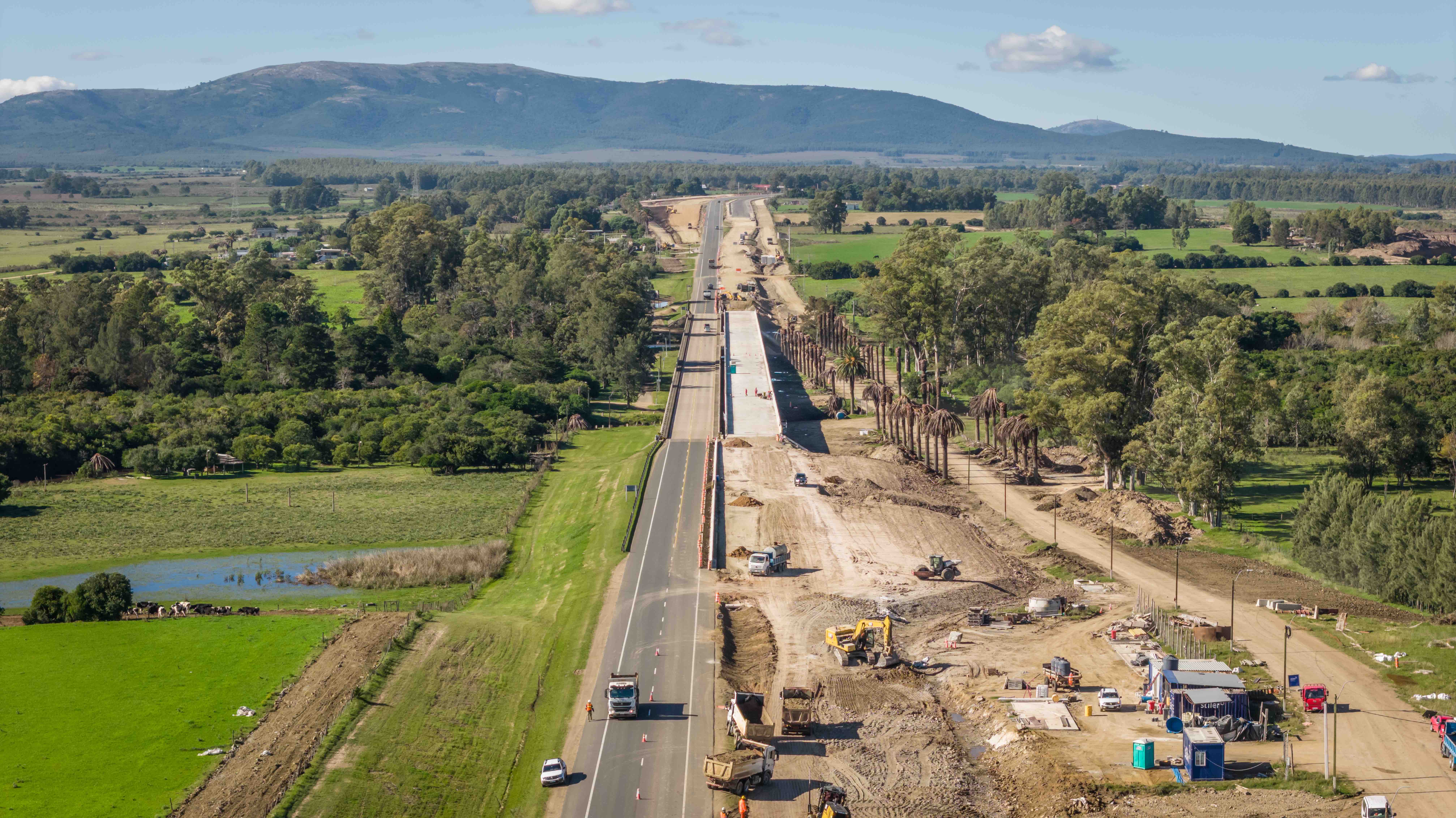
The Pan de Azúcar–Rocha section of Uruguay’s Route 9 crosses an area of high ecological value, close to protected areas and conservation corridors used by native fauna.
The road created two main biodiversity risks: habitat fragmentation, as the widened road could act as a barrier between previously connected habitats and restrict wildlife movement, and an increased risk of wildlife–vehicle collisions.
Addressing these impacts required Traxpalco to integrate biodiversity considerations into the design, construction and long-term maintenance of the road. This was particularly challenging because measures such as wildlife passages and guiding fences had limited precedent in Uruguay and needed to be adapted to local species and conditions.
During the environmental assessment, the Ministry of Environment identified the need to address wildlife impacts and ecological connectivity. Technical discussions between Traxpalco, the Ministry of Environment and the Ministry of Transport and Public Works led to an agreement to adapt four bridges as wildlife crossings, pilot guiding fencing, install wildlife signage and implement a flora restoration plan.
Traxpalco chose to build on these agreed measures by voluntarily funding wildlife monitoring and environmental education activities.
3. The Action
Building an integrated wildlife connectivity, restoration and monitoring system
ASSESSING BIODIVERSITY RISKS ALONG THE ROAD CORRIDOR
Traxpalco began by recognising the ecological sensitivity of the area crossed by the Route 9 project. The company reviewed the relationship between the road alignment, nationally protected areas, biological corridors, watercourses and other habitats used by native fauna. The assessment focused on two principal operational impacts:
- the increased risk of wildlife–vehicle collisions;
- and the increased barrier effect created by the widened road.
Traxpalco worked with biodiversity specialists to identify locations where road infrastructure could interfere with wildlife movement. This analysis informed the selection of four bridges where wildlife connectivity measures would be introduced.
Rather than treating biodiversity measures as corrective actions to be added after construction, the company sought to incorporate them into the planning and implementation of the road project.
ESTABLISHING INSTITUTIONAL AND TECHNICAL PARTNERSHIPS
Traxpalco recognised that road engineering teams did not hold all the ecological expertise required to design and validate the proposed interventions. It therefore adopted a collaborative model involving public institutions, technical specialists and environmental organisations.
The initiative received support from the Ministry of Transport and Public Works, the Ministry of Environment, the Ministry of Tourism, Corporación Vial del Uruguay, UN Global Compact Network Uruguay and ECOBIO Uruguay (a non-governmental organization specializing in ecology and biodiversity conservation).
The partners played different roles in the initiative. Public authorities provided institutional support and helped align the interventions with the wider objectives of Uruguay’s transport and environmental policies. ECOBIO and other biodiversity specialists contributed technical knowledge on habitat fragmentation, wildlife movement, ecological restoration and monitoring.
Within Traxpalco, the initiative involved senior leadership and teams working in engineering, environmental management, construction, operation and maintenance. Senior management supported the inclusion of measures that were not yet common in Uruguay’s road sector and enabled the company to allocate resources to pilot solutions and monitoring activities.
Technical and operational employees then had to translate ecological recommendations into measures that could be constructed, inspected and maintained as part of an operating road.
DESIGNING DRY WILDLIFE PASSAGES BENEATH EXISTING BRIDGES
With the support of biodiversity specialists, Traxpalco designed dry passage areas beneath four bridges located at priority connectivity points. The passages were created by conditioning the natural ground beneath the margins of each bridge, wherever the physical conditions allowed. The purpose was to maintain a dry route that animals could use to move beneath the road without entering the carriageway.
The design sought to use natural surfaces rather than introduce unnecessary artificial structures that could affect wildlife behaviour. The dry strips were intended to remain distinguishable from the active water channel and accessible under normal operating conditions.
Using existing bridge structures also allowed Traxpalco to create wildlife crossing opportunities without constructing entirely separate crossing structures. However, each location required adaptation to its particular hydraulic, topographic and ecological conditions.
PILOTING GUIDING FENCING AND WILDLIFE SIGNAGE
Traxpalco understood that providing a crossing structure would not necessarily ensure that wildlife reached or used it. The company therefore complemented the dry passages with measures intended to influence animal movement and reduce the likelihood of wildlife entering the road.
A pilot perimeter fence was designed to guide animals towards a safer crossing point rather than allow them to approach the carriageway directly.
According to Traxpalco, this was the first pilot of its kind in Uruguay. The company used the location to begin testing how guiding fences could be adapted to local fauna and road conditions. Vertical signs warning drivers about native wildlife crossings were also installed at locations associated with higher wildlife mortality.
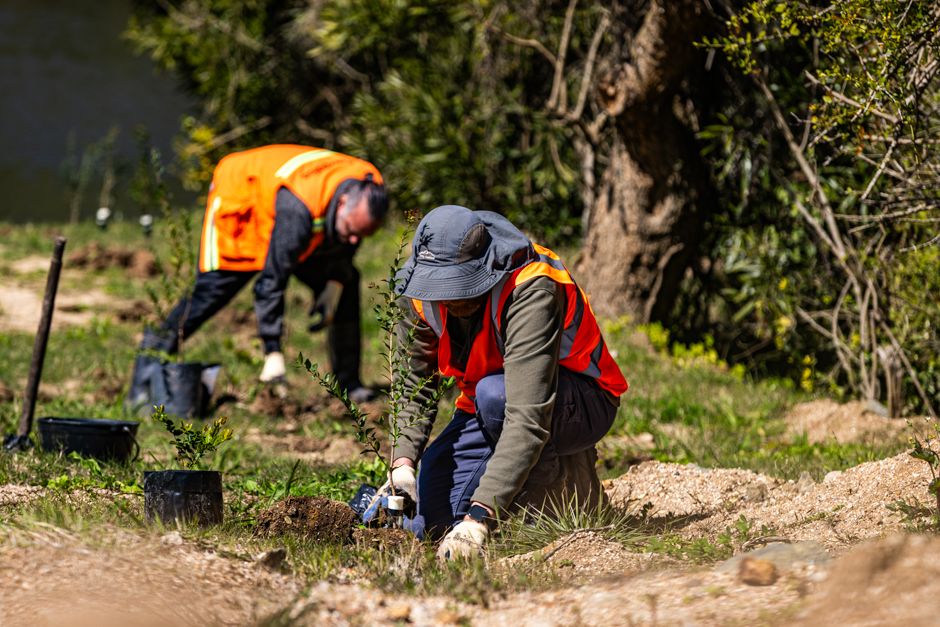
RESTORING HABITAT AROUND THE CROSSING LOCATIONS
Traxpalco treated ecological restoration as a functional part of the wildlife-connectivity system. The objective is to recover vegetation affected during construction, improve habitat continuity and create conditions that would encourage fauna to approach and use the crossing locations.
The company is using native species or species considered compatible with the local ecosystem. Restoration was intended to connect the entrance and exit areas of the passages with surrounding habitats. Maintenance was incorporated into the longer-term road-management period, recognising that planting vegetation alone would not guarantee successful restoration.
INCORPORATING RESOURCE-EFFICIENCY PRACTICES INTO CONSTRUCTION
In addition to biodiversity-specific interventions, Traxpalco introduced environmental practices into the construction process. It also operated crushing plants using renewable electricity and introduced technologies intended to improve operational efficiency and reduce emissions.
These actions formed part of Traxpalco’s wider approach to presenting Route 9 as an integrated sustainable infrastructure project. However, they were complementary to the central biodiversity objective of maintaining ecological connectivity and reducing wildlife risks.
ENGAGING SCHOOLS AND LOCAL COMMUNITIES
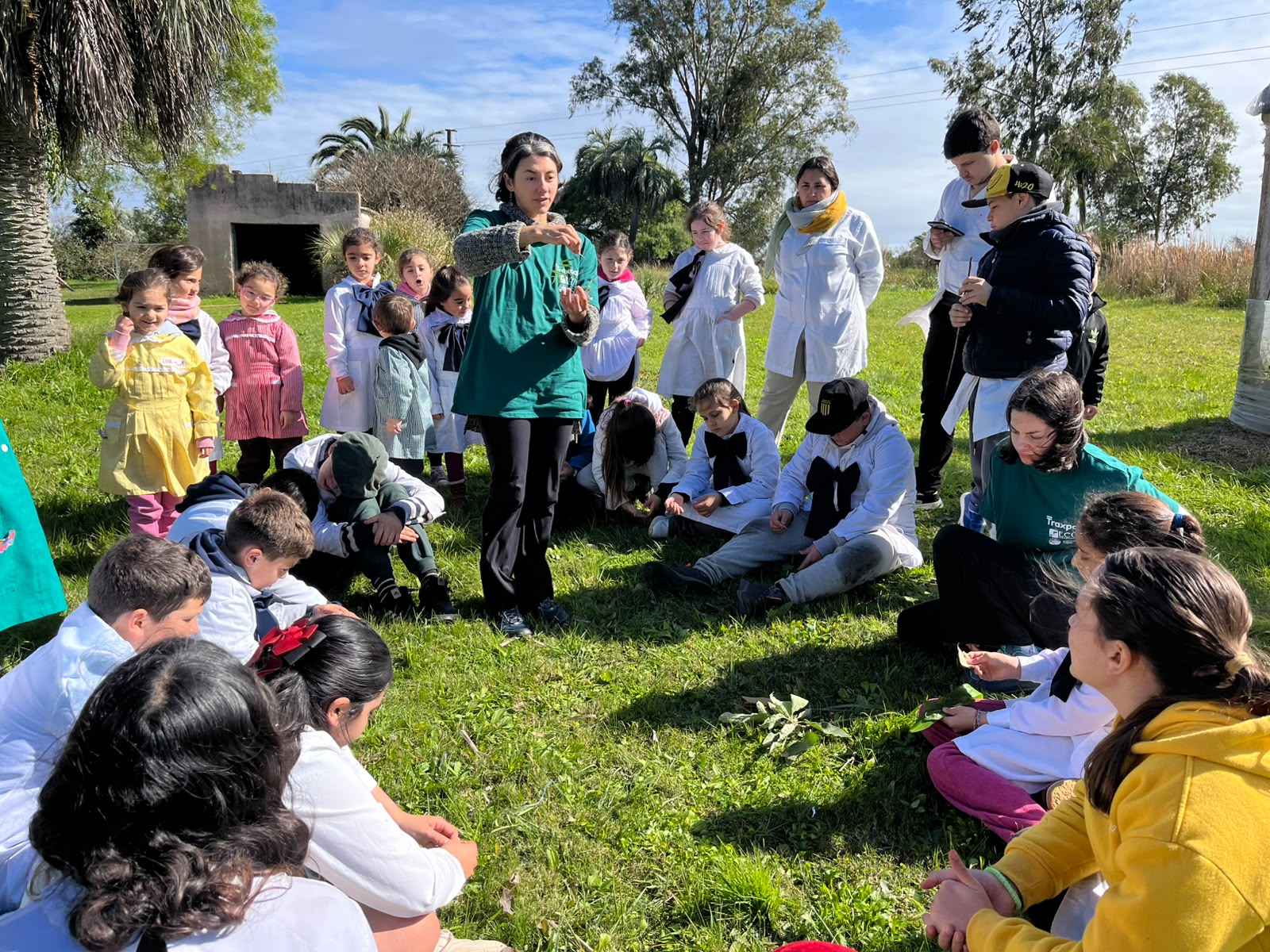
Traxpalco complemented the road interventions with an environmental education programme aimed at communities within the project’s area of influence.
The company developed educational materials including a biodiversity memory game, an interactive floor mat and a Route 9 educational booklet. These materials were used to introduce children to local wildlife, biodiversity conservation and road safety.
The educational component sought to increase local understanding of why the wildlife measures had been introduced and reinforce the relationship between road safety, biodiversity protection and community stewardship.
ESTABLISHING LONG-TERM MONITORING
Traxpalco incorporated monitoring mechanisms to assess whether wildlife was approaching and using the crossing locations.
Camera traps were installed in the dry passage areas and protected with cages to reduce the risk of damage or interference. The company and its partners also used footprints, tracks and other wildlife signs as complementary evidence of animal movement.
By combining records from the passages with information on roadkill, Traxpalco sought to better understand whether the interventions were contributing to safer wildlife movement.
REPLICATION AND KNOWLEDGE SHARING
Traxpalco shared the Route 9 initiative through road-sector congresses, sustainability forums, academic events and discussions organised by the Uruguayan Chamber of Construction and the UN Global Compact Network Uruguay.
These activities allowed the company to share the practical challenges of integrating biodiversity measures into road infrastructure and contribute to broader discussions with companies, public bodies, academia and environmental organisations. Conceived as a pilot, the initiative also aimed to generate technical knowledge that could be adapted to future infrastructure projects.
4. Overcoming Barriers
Limited local precedents for wildlife-sensitive road design
Several of the solutions considered for Route 9 had little or no previous application in Uruguay. Traxpalco could not rely on an established national design standard or extensive local performance data.
The company responded by working with ECOBIO and other specialists, reviewing relevant experience and adapting the measures to local conditions. Rather than attempting immediate large-scale deployment, it introduced pilot interventions that could be monitored and refined.
Integrating ecological knowledge into conventional road engineering
Biodiversity management requires expertise that is not traditionally part of standard road construction and maintenance. Traxpalco addressed this gap by combining the knowledge of environmental specialists with that of engineering, construction and operational teams. Employees had to understand not only how to build the measures but also why particular dimensions, locations, materials and maintenance conditions were important for wildlife.
Demonstrating whether the measures were effective
Constructing wildlife passages did not in itself demonstrate that animals were using them or that wildlife mortality had declined. Traxpalco responded by installing camera traps, monitoring footprints and tracks and including wildlife collisions as a complementary indicator. The ten-year maintenance period creates an opportunity to gather information over time and assess how the measures performed under different conditions.
5. Impacts & Results
3 wildlife species recorded using the adapted crossing at José Ignacio Stream
Camera traps recorded capybara, gray brocket deer and fox between November 2025 and August 2026. These observations provide early evidence of wildlife using the crossing.
3 watercourses included in the native vegetation restoration pilot
Planting took place at José Ignacio, El Renegado and Sauce de Rocha streams in September 2026, using ten native plant species. Initial follow-up inspections found all assessed plants in good condition. Longer-term monitoring will be needed to determine plant survival.
47 children and 5 educators reached across 4 rural schools between 2023 and 2025
The environmental education programme introduced local biodiversity and road safety through educational materials and activities. It also established an ongoing working relationship between Traxpalco, the schools and specialised organisations.
Stronger technical capabilities for future infrastructure projects
Traxpalco developed practical expertise in ecological connectivity, native vegetation restoration and wildlife monitoring. Adapting bridges and piloting guiding fences gave its teams experience in incorporating biodiversity measures into road design and maintenance, creating knowledge that can be applied to future contracts.
Practical knowledge shared with the infrastructure sector
Traxpalco presented the initiative at technical conferences, academic events and sustainability forums, including a discussion organised by UN Global Compact Network Uruguay and the Uruguayan Chamber of Construction. These activities shared lessons on incorporating biodiversity measures into existing road infrastructure and adapting pilot solutions to local conditions.
6. Key Lessons Learned
Biodiversity must be incorporated from the early stages of the project
Biodiversity measures are most effective when integrated during the infrastructure planning and design phases. Early assessment allows for the identification of biological corridors, sensitive areas, and opportunities to reduce impacts before design alternatives become more limited or costly.
Building new infrastructure is not always necessary to improve ecological connectivity
One of the main lessons from Ruta 9 Sostenible was demonstrating that it is possible to integrate biodiversity solutions by leveraging existing infrastructure. Based on technical work carried out alongside the Ministry of the Environment, the Ministry of Transport and Public Works, and ECOBIO, it was concluded that constructing standalone wildlife crossings was not the most viable option for this project. Instead, four bridges were adapted with “dry strips” to facilitate wildlife movement. This experience demonstrated that, with appropriate design, existing infrastructure can be transformed into an opportunity to improve ecological connectivity, optimize resources, and facilitate the implementation of scalable solutions.
Monitoring is just as important as the intervention
Constructing biodiversity measures does not, in itself, constitute evidence of impact. Installing camera traps, tracking wildlife, and monitoring roadkill incidents are essential for evaluating the effectiveness of implemented measures and generating useful data for future projects.
Collaboration leads to better solutions
Integrating biodiversity into infrastructure requires coordination among engineering, science, public agencies, specialized organizations, and local communities. Collaborative work with ECOBIO Uruguay, public agencies, and educational institutions enabled the development of more robust solutions tailored to local realities.
Biodiversity can become an opportunity for innovation in the sector
Ruta 9 Sostenible demonstrated that biodiversity measures should not be viewed solely as an environmental requirement. They can also generate learning, innovation, technical capabilities, strategic partnerships, and new opportunities for infrastructure companies. The experience enabled the development of knowledge and solutions that can be replicated and adapted in future projects.

"The challenge goes beyond minimizing negative impacts. We believe infrastructure can actively contribute to biodiversity conservation, ecological restoration, environmental education and knowledge generation.”
Andrea Carballo, Sustainability Manager, Traxpalco
7. Company Commitment
Traxpalco has been a committed participant in several UN Global Compact initiatives since 2025, such as the Climate Ambition Accelerator
8. Recommended Resources
Recommended UN Global Compact Resources


Download Case Study
Disclaimer: This case example is intended strictly for learning purposes and does not constitute an endorsement of the individual companies by the UN Global Compact.