Business is ready to buy the new energy era. Now we have to build it.
Read more

For much of the past decade, the question hanging over corporate climate action was whether business was serious. Today, the more important question is whether the energy system can keep up.
There is now a large and increasingly measurable global pool of corporate demand for clean energy.
More than 1,200 companies participating in the UN Global Compact’s Forward Faster initiative have committed to accelerate access to clean electricity. The Science Based Targets initiative estimates that their collective demand could reach approximately 2,000 terawatt hours a year by 2050 if those targets are met.
Preliminary data from the UN Global Compact’s 2026 Communication on Progress gives an even broader picture of where business is heading. Nearly 2,500 companies report having targets to phase out fossil fuels, more than 900 have set targets for renewable energy procurement and more than 5,800 have third-party-validated greenhouse gas reduction targets, including over 2,300 with medium or long-term targets.
That is not simply a statement of intent. It is a market.
Companies across sectors and geographies are signalling at enormous scale that they will need clean electricity, whether to decarbonise existing operations, electrify industrial processes and transport, expand digital infrastructure or build new supply chains. For governments seeking to attract investment, strengthen energy security and support economic growth, that demand is an asset.
The economics increasingly support it too. More than 90% of utility-scale renewable projects commissioned in 2025 produced electricity more cheaply than the lowest-cost new fossil-fuel alternative. Renewables also accounted for 85.6% of all new power capacity added worldwide.
The challenge now is getting enough clean power built, connected and delivered.
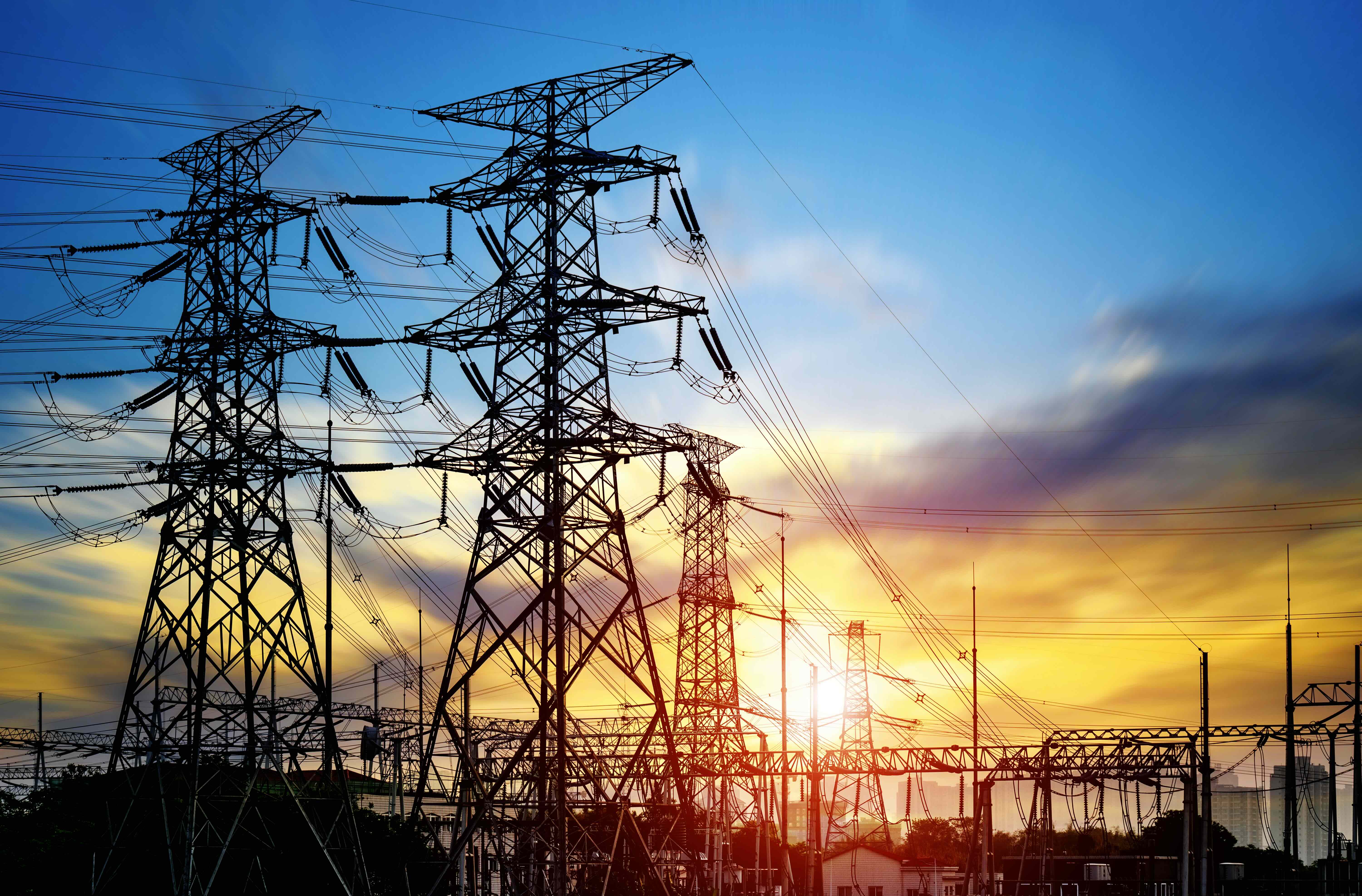
More than 2,500 gigawatts of renewable generation, storage and large-load projects are waiting in grid connection queues worldwide. The mismatch in timelines is stark: a renewable project can take one to five years to develop, a data centre one to three, while a major transmission line can take five to fifteen years to plan, permit and construct.
This is not a failure of ambition. Governments, regulators and utilities in many countries are already reforming permitting, expanding grids and redesigning power markets. But demand is moving faster.
Global electricity consumption grew by 3% in 2025 and is forecast to rise by 3.6% a year through 2030. Data-centre demand alone is expected to roughly double to around 950 terawatt hours by the end of the decade.
That power will have to come from somewhere.
The choices made over the next few years will determine whether this new demand drives investment in renewable power, storage and modern grids, or extends dependence on more expensive and volatile sources of energy.
This is where business can provide governments with something particularly valuable: a current view of the practical barriers standing between demand and deployment.
The clean energy policy and investment landscape is evolving rapidly. The UN Global Compact works directly with leading companies across the energy supply chain to understand where those barriers are now emerging and what is preventing businesses from turning their ambitions and demand into actual investment.
By bringing together perspectives from across the value chain, we can identify areas of common concern and, critically, where government action can have the greatest impact in unlocking investment. This gives policymakers an up-to-date picture of what business needs to move from targets and commitments to clean-energy projects on the ground.
Four priorities consistently emerge.
First, certainty. Energy infrastructure is financed over decades, not political cycles. Long-term clean-energy targets and stable regulatory frameworks give companies and investors the confidence to commit capital and can help reduce financing costs. Policy changes should be predictable, coherent and designed with the long investment horizons of energy projects in mind.
Second, faster and better permitting. Governments need properly resourced, digitalised authorities with clear responsibilities and predictable approval timelines. Faster should not mean weaker. Environmental safeguards and community engagement remain essential. The goal is rigorous decisions made more efficiently.
Third, grids. Renewable generation cannot transform an energy system if it cannot connect to one. Network investment needs to increase by around half by 2030. Connection queues should prioritise projects that are genuinely ready to build, while regulators create markets that allow storage, demand response and distributed resources to compete alongside conventional generation and network expansion.
Fourth, make it easier for companies to buy the clean power they are asking for. Corporate power purchase agreements, wheeling arrangements and other forms of direct procurement remain restricted in too many markets. Where businesses cannot contract for additional renewable electricity, corporate demand cannot translate into new capacity.
Nowhere is this more important than in emerging economies, where electricity demand is rising fastest but capital remains most expensive. Financing costs for energy projects in many emerging markets are at least twice those in advanced economies and China. Yet emerging markets outside China, home to roughly two-thirds of the world’s population, attract less than 30% of global energy investment.
Closing that gap means making good projects investable: bankable contracts, creditworthy offtakers, effective regulation, deeper local-currency financing and greater use of guarantees and other risk-sharing instruments. Used well, public and development finance can reduce risks that individual companies cannot carry alone and mobilise far more private investment behind it.
Business has obligations too. Companies need to provide credible forecasts of future electricity demand, sign long-term contracts that finance additional clean generation, invest in efficiency and flexibility and contribute fairly to the infrastructure created by major new loads. For data centres in particular, locational flexibility, storage, interruptibility and co-located generation should increasingly form part of the bargain for faster connections.
This is ultimately a more encouraging challenge than the one we faced a decade ago.
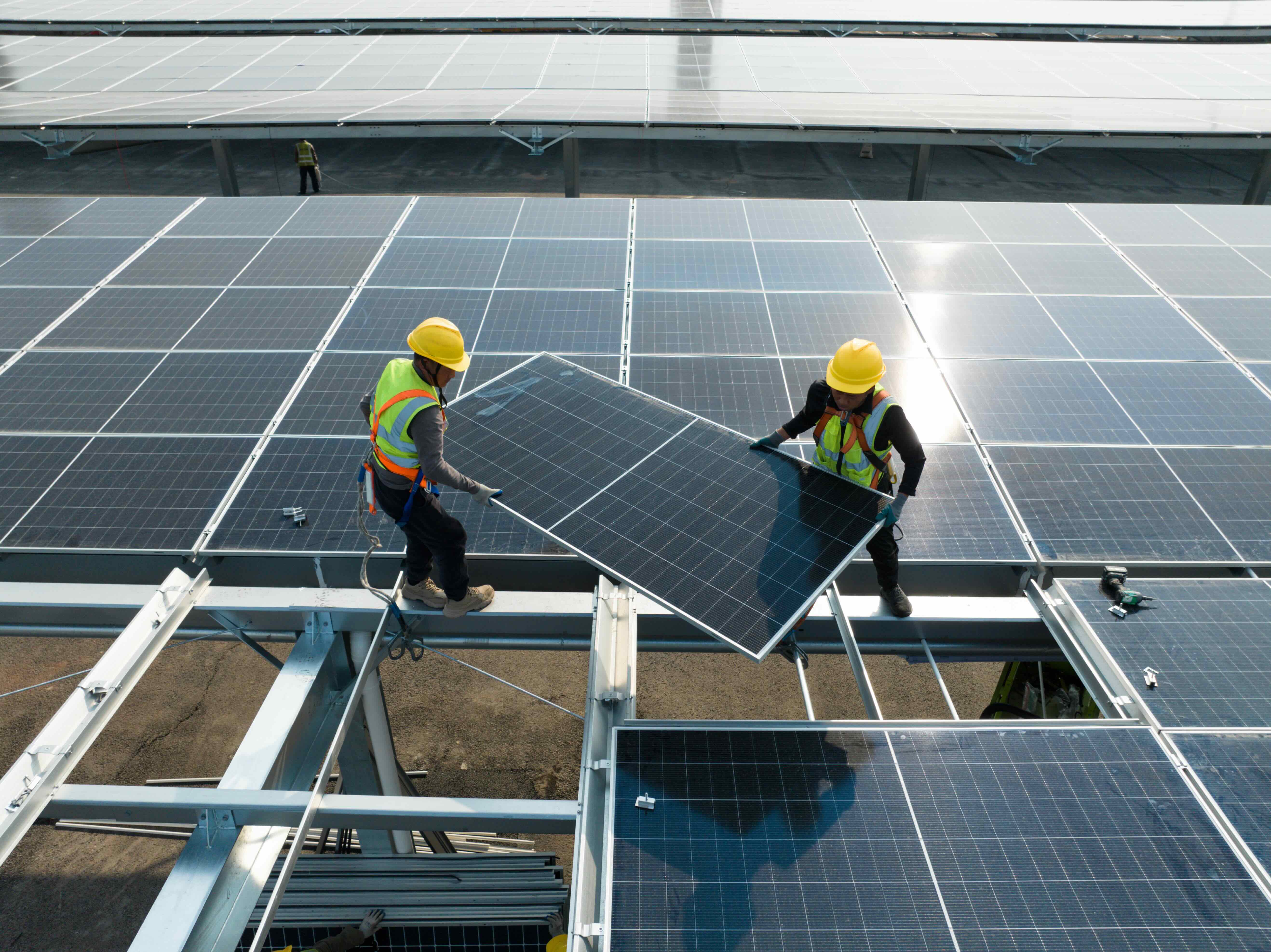
Governments have spent years building the policies and markets needed to create demand for cleaner energy. Business has responded. Companies are setting targets, seeking renewable power, signing contracts and planning investment around a cleaner and increasingly electrified energy system.
The opportunity now is to turn that demand into infrastructure.
The Secretary-General has called this a moment of opportunity. He is right. If governments, regulators, utilities, investors and companies act together, corporate demand can become one of the most powerful engines for building the next generation of energy infrastructure.
The contracts are waiting to be signed. The capital is ready to move. The demand is already here.
Now we have to build.