COSP11: Shaping tomorrow’s integrity, together
Read more

More than 2,500 participants, including delegates from 170+ nations, business leaders, experts and civil society, attended the Conference of States Parties (COSP11) in Doha, Qatar, from 15-19 December 2025, focusing on anti-corruption efforts under the United Nations Convention Against Corruption (UNCAC).
Why? Because corruption erodes trust, deepens inequality and undermines economic growth. For businesses, corruption distorts markets, drives up costs and creates serious legal and reputational risks.
It’s clear: global corruption poses a serious risk to a safe, just and prosperous world.
World unites for anti-corruption
In 2003, the world came together to take action with the United Nations Convention Against Corruption (UNCAC). Since its introduction in 2003, 192 (of 195) Member States adopted the convention, making it a nearly universal agreement. UNCAC is the most comprehensive and only legally binding international anti-corruption multilateral treaty.
Every two years, these 192 states parties come together at the Conference of the States Parties to the United Nations Convention against Corruption (COSP) to review its implementation, discuss emerging challenges and trends and adopt resolutions on pertinent issues and make decisions. The conference helps create dialogue and action so the convention (UNCAC) can move beyond a set of principles, into a living instrument that drives real change.
COSP is the world’s primary global platform for shaping how corruption is prevented, detected and addressed across borders. Decisions taken at COSP influence national laws, enforcement priorities, transparency expectations and help set international priorities.
UNCAC in action: COSP11
The 11th session of the Conference of the States Parties, COSP11, was held under the theme: Shaping Tomorrow's Integrity. The conference focused on strengthening international cooperation in the context of today’s complex environment.
No single Government, company, country or sector can tackle corruption alone, and the private sector has a crucial role to play.
The Private Sector Forum at COSP11
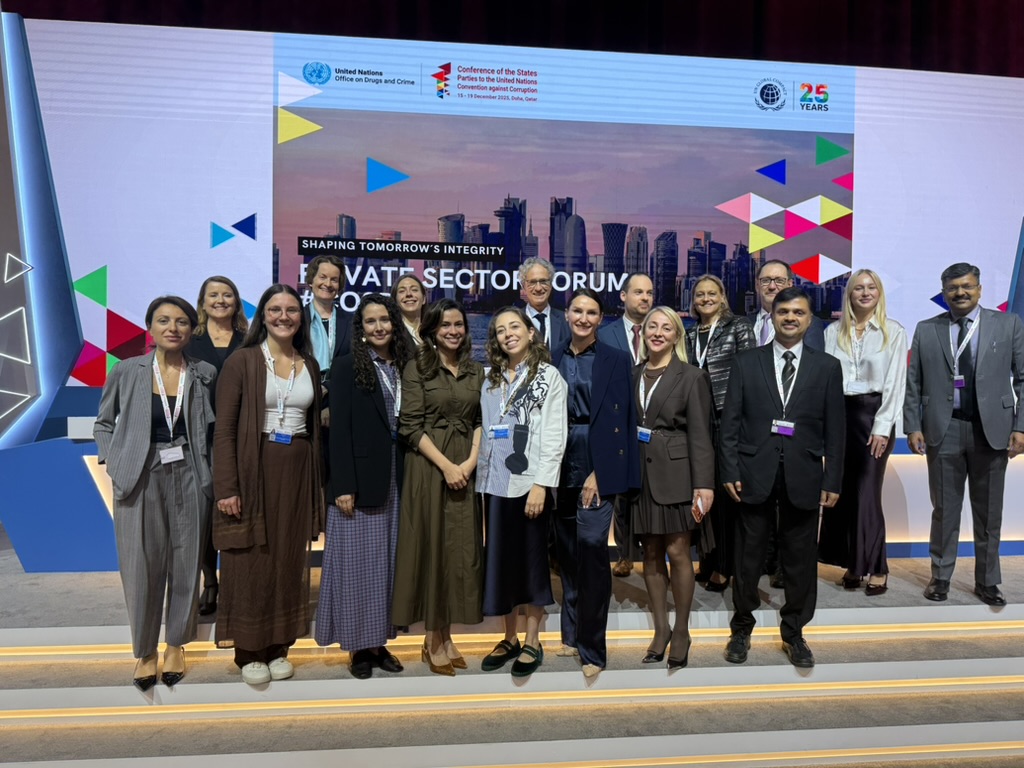
At the Private Sector Forum at COSP11, business leaders, Government representatives, civil society, academia, youth and international organizations came together to discuss shared solutions and opportunities to combat corruption and advance business integrity through the lens of the private sector.
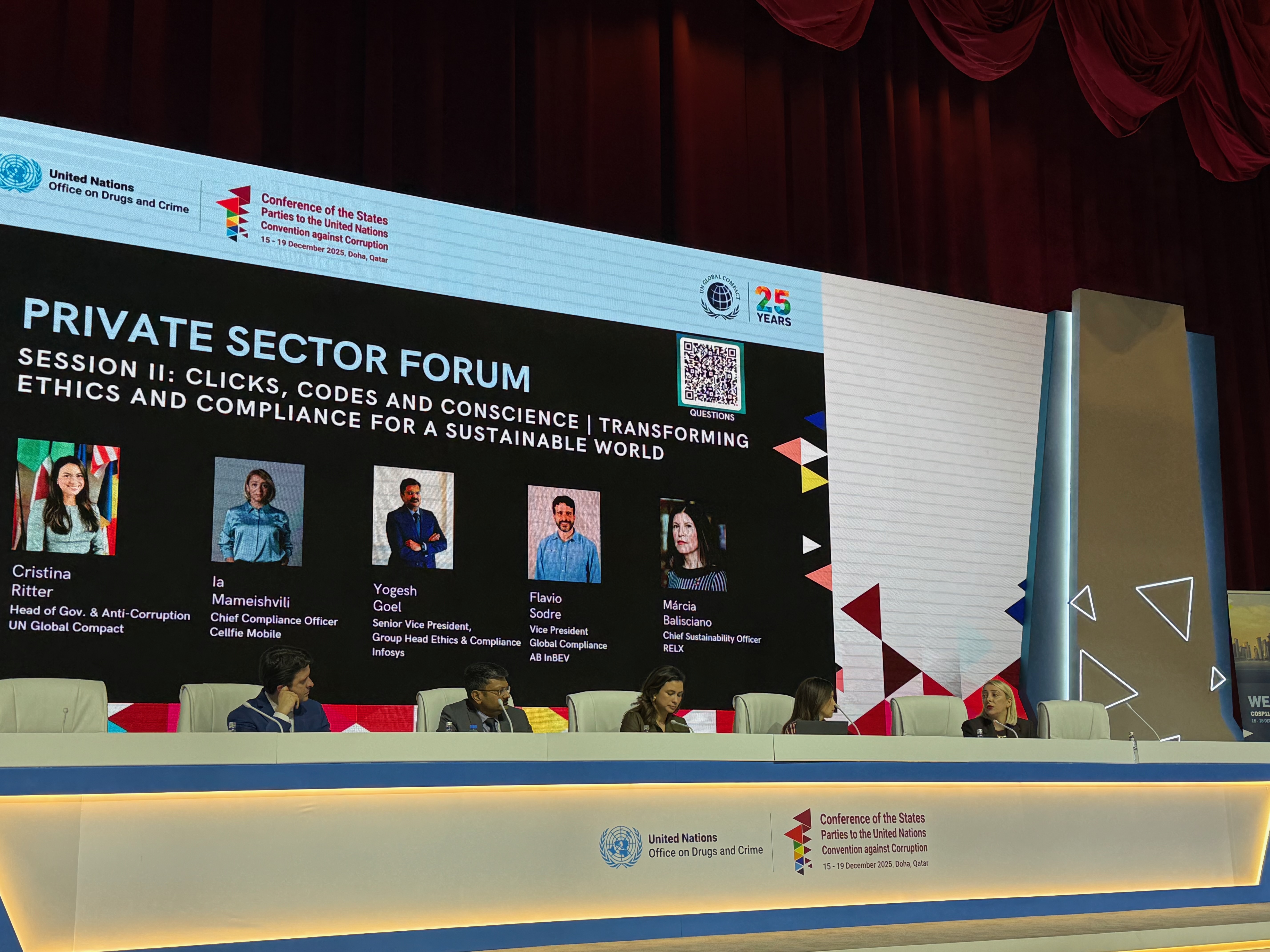
This year’s theme, Future-Proofing Business Integrity: AI, Innovation and Global Cooperation, explored how technology and collective action can transform anti-corruption efforts while addressing critical ethical challenges.
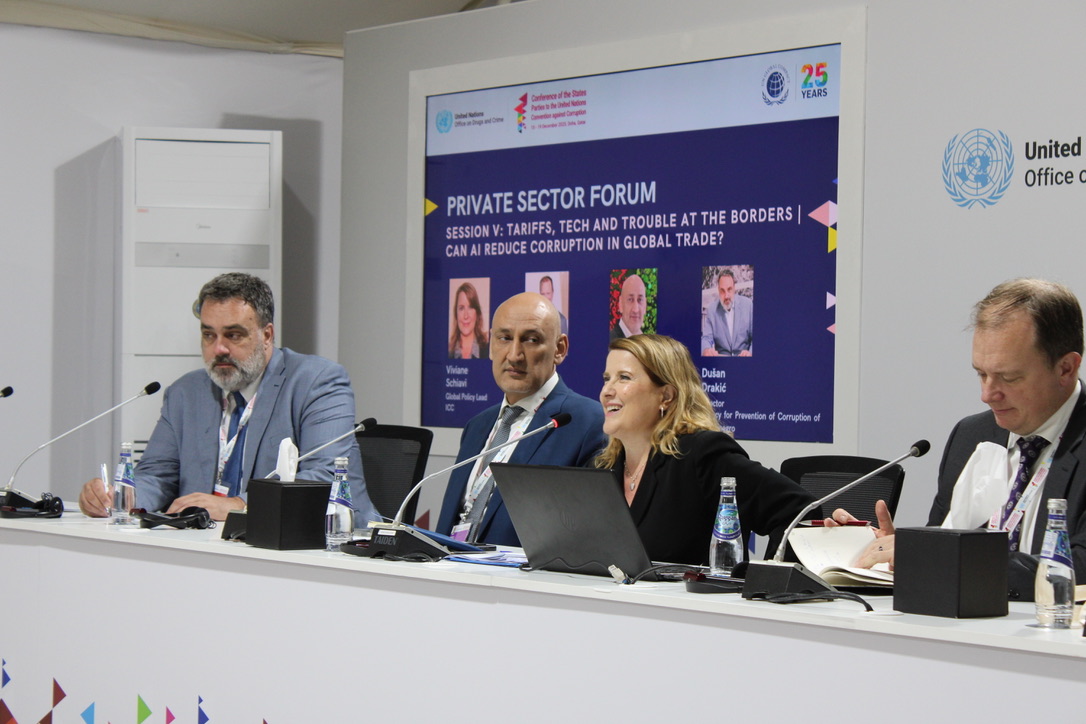
Through their diverse experiences, Private Sector Forum speakers demonstrated how trust-based collaboration, reinforced by innovative technology, can raise integrity standards, strengthen markets and ensure fair competition.
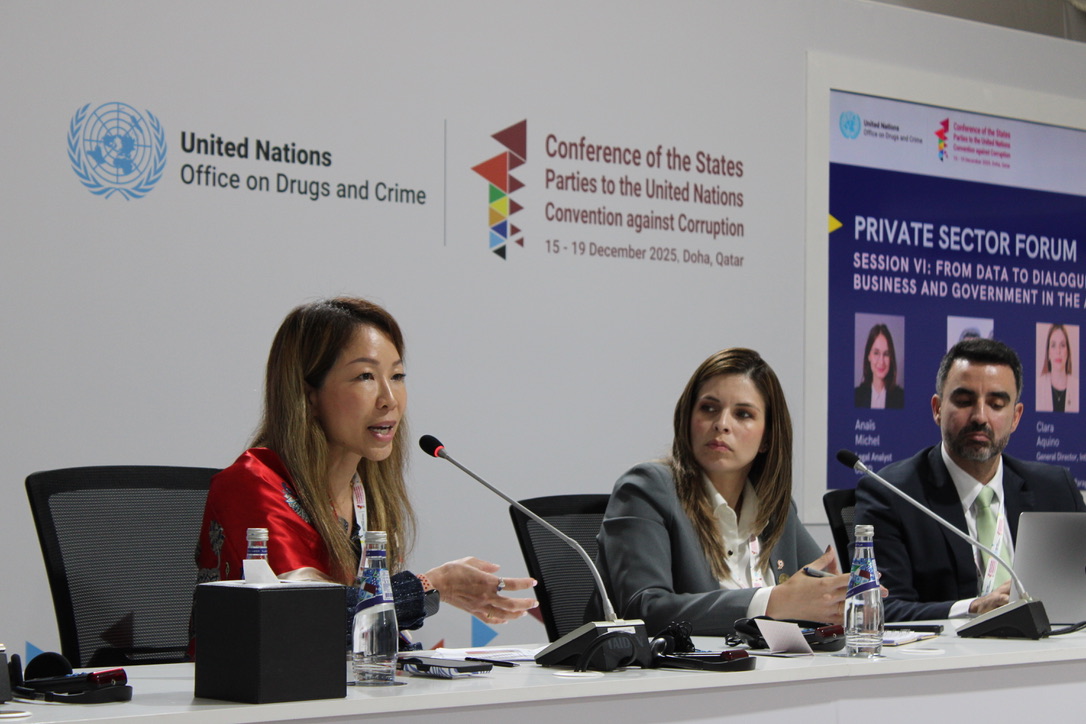
Participants examined how AI, blockchain, data analytics and other emerging technologies are revolutionizing compliance—from reactive monitoring to proactive, values-driven practices. These tools are enabling companies and regulators to detect irregularities, flag suspicious transactions and uncover hidden networks of illicit activity with unprecedented speed and accuracy.
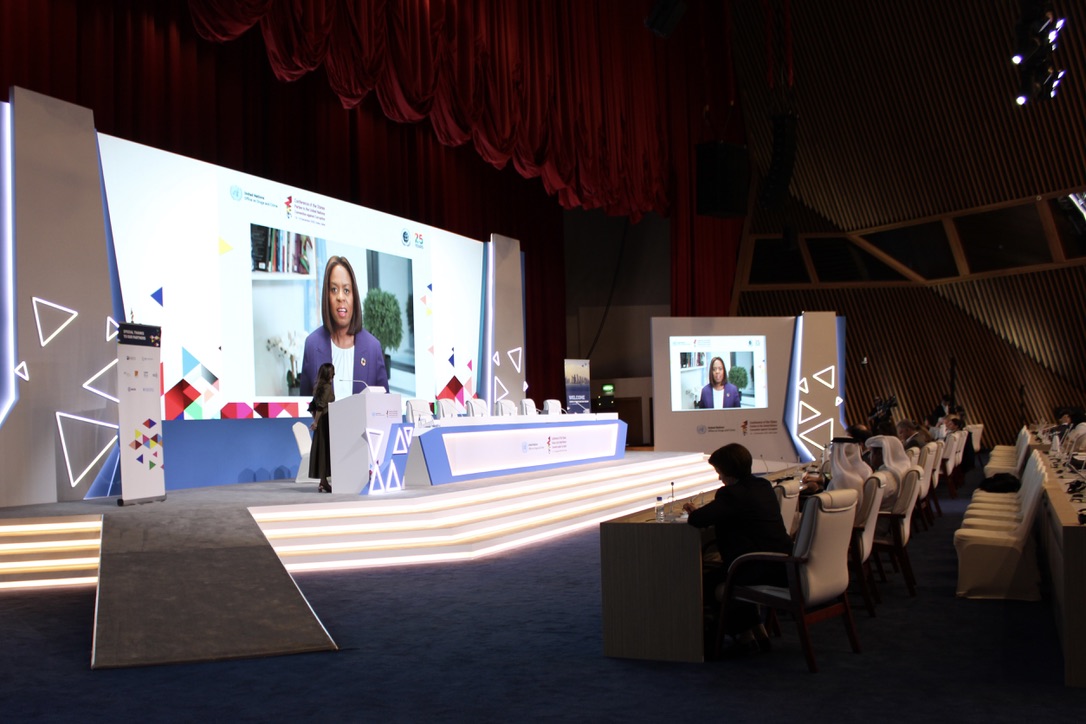
“As corruption grows more complex, so too must our response. Artificial intelligence and digital innovation are powerful tools to safeguard integrity, but they must be grounded in responsibility, transparency and collective action. Through the COSP Private Sector Platform and initiatives like today’s Forum, we are ensuring that companies not only adapt to these new realities but also lead the way in building markets that are fair, transparent and accountable. This is essential not only for business competitiveness but also for achieving the Sustainable Development Goals.”
— Sanda Ojiambo, CEO and Executive Director of the United Nations Global Compact
Key outcomes of the COSP11 Private Sector Forum for business leaders:
- Trust is not just a moral imperative; it drives real business value.
- Responsible use of new technologies, including AI, will define the next phase of business integrity.
- Collaboration is essential. Private-public partnerships and collective action are critical to embedding integrity at scale.
Launch of the COSP Private Sector Platform
A key milestone of COSP11 was the launch of the COSP Private Sector Platform. The platform marked a historic moment as the launch of the private sector tracker of the COSP. For the first time, businesses and Governments came together for an open dialogue on anti-corruption, collective action and business integrity.
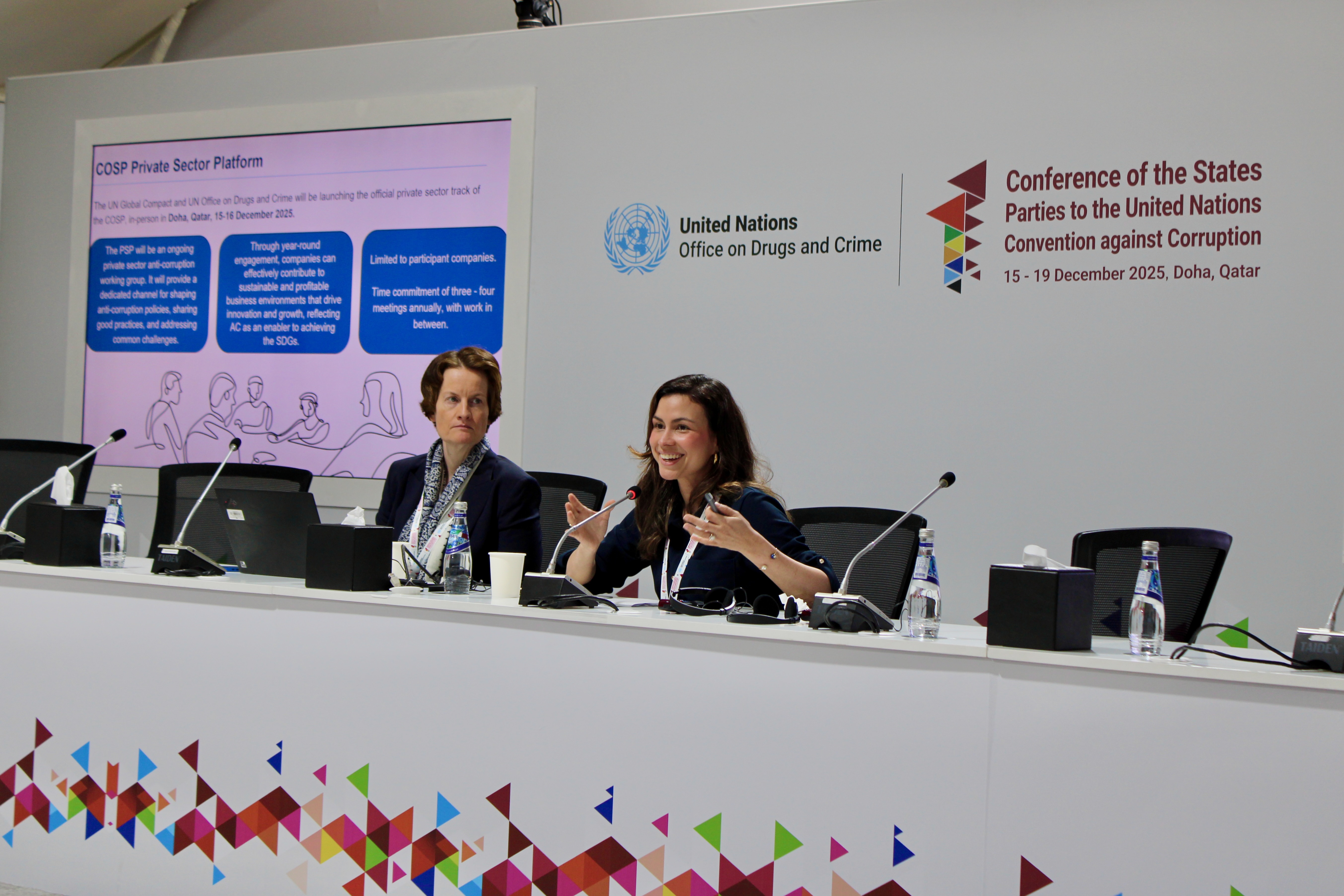
The COSP Platform brings structured, year-round opportunities for businesses to contribute meaningfully to the implementation of the UNCAC and advances stronger public-private partnerships in anti-corruption.

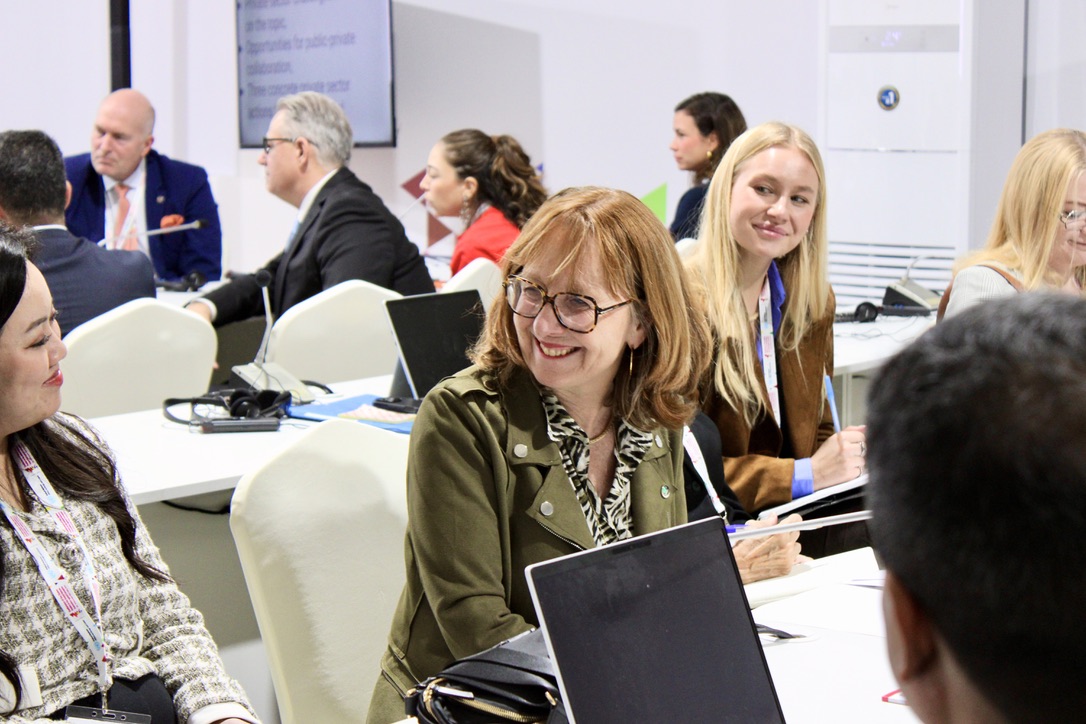
Through robust conversations spanning regions, sectors and industries, private sector leaders and Governments united over a shared vision of advancing a more sustainable world. Together, they identified priority initiatives to be developed into concrete projects in the coming years, with UNODC and the UN Global Compact supporting their implementation.
Learn more and take action
Tackling corruption is a strategic imperative for resilient businesses, inclusive economies and a more just and sustainable world. Companies that operate with integrity, transparency and accountability are better positioned to attract investment, gain consumer trust and foster innovation.
Join us. Get involved with the UN Global Compact and promote collective action and business integrity in your spheres.
Learn more about UN Global Compact’s anti-corruption work: From risk to resilience: why companies must lead on business integrity.